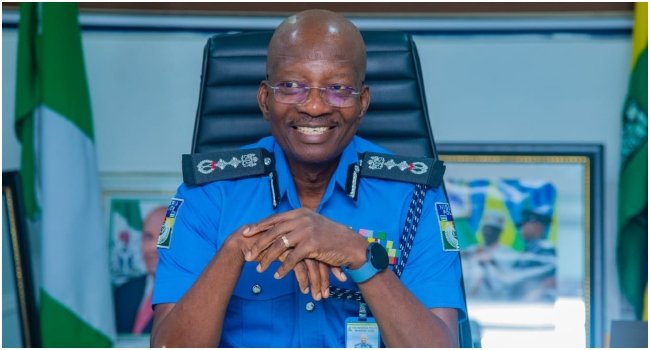

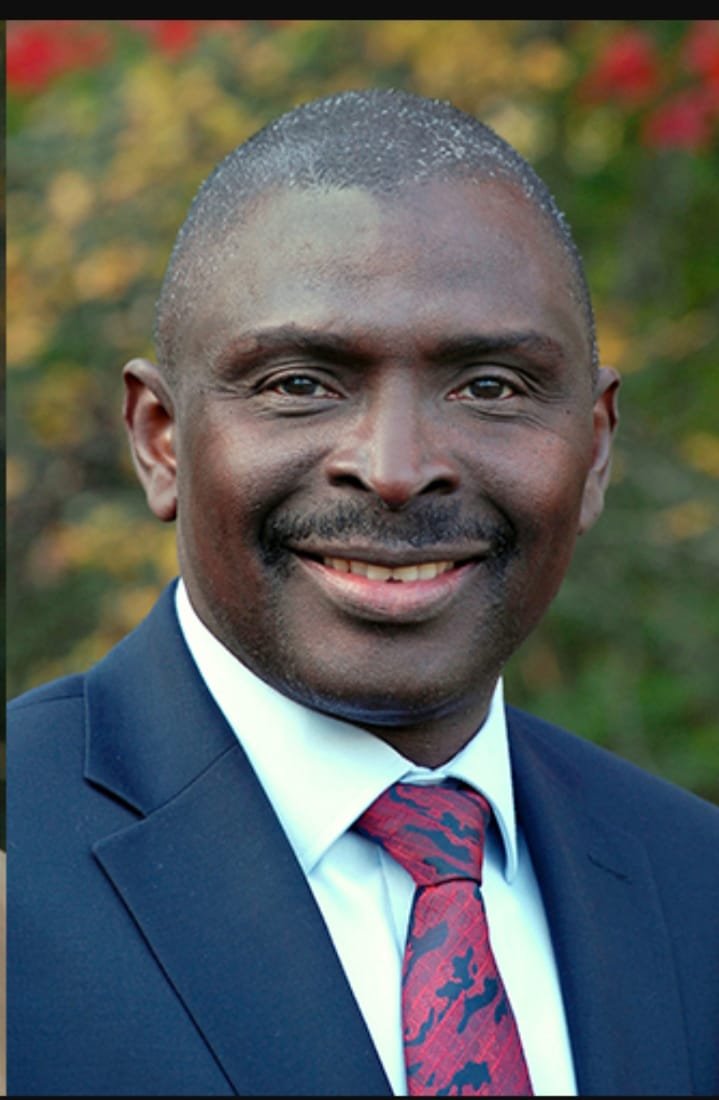

Executive Director of the International Centre for Investigative Reporting, Abuja, Mr. Dayo Aiyetan, has underscored the critical role of investigative journalism in uncovering corruption, exposing hidden information and ensuring that those in positions of authority are held accountable.
Aiyetan made the assertion during a presentation titled, “The A to Z of Investigative Journalism” at a training session for journalists at the Nigeria Union of Journalists (NUJ) Press Centre in Uyo, Akwa Ibom State on Thursday, where he outlined the principles, processes and responsibilities involved in conducting impactful investigative reporting.
He explained that investigative journalism involves uncovering information deliberately concealed by individuals or institutions in power, or facts buried within complex situations that make the truth difficult to unravel.
Citing the definition by the United Nations Educational, Scientific and Cultural Organization (UNESCO), Aiyetan noted that investigative reporting requires journalists to rely on both open and confidential sources, as well as documentary evidence to expose issues of significant public interest.
According to him, the core purpose of investigative journalism is to reveal wrongdoing, corruption and systemic failures that affect society, stressing that such reporting must be evidence-based, original and focused on issues authorities may prefer to keep hidden.
The media expert identified research as the first and most critical stage of any investigative process, noting that thorough background work enables journalists to understand the subject matter, develop a working hypothesis and design an effective reporting strategy.
“Research helps journalists determine who to speak to, where to find information, what risks may arise and how to avoid duplicating work already done by others,” he said.
Aiyetan also emphasized the importance of establishing a clear premise or hypothesis for an investigation, describing it as the foundation upon which the entire story is built.
He urged journalists to constantly interrogate their story ideas by asking key questions, including the public interest value of the report, its potential impact and the individuals or institutions that should be held accountable.
The investigative journalism advocate further stressed the need for reporters to conduct a thorough security risk assessment before embarking on sensitive investigations.
He said journalists must carefully evaluate potential threats from powerful interests, hazardous environments or vulnerable sources that could expose them to danger during the course of their work.
Aiyetan also highlighted the importance of “source mapping,” a process that involves identifying the documents, data and individuals required to build credible and verifiable investigative reports.
He noted that documentary evidence such as government records, court documents, contracts and official correspondence often provides the strongest proof in investigative journalism.
While acknowledging the importance of documents and data, Aiyetan described human sources as the most valuable asset of investigative journalists, explaining that such sources could range from low-level officials to top government functionaries.
However, he cautioned journalists against excessive reliance on anonymous sources, warning that such practice could undermine the credibility of a report if not carefully managed.
“Anonymity should only be granted when there are genuine risks such as threats, job loss or legal consequences for the source, and the final decision must always rest with the editor,” he said.
Aiyetan urged journalists to remain committed to ethical standards and rigorous fact-checking, stressing that the ultimate goal of investigative journalism is to serve the public interest and strengthen democratic accountability.