
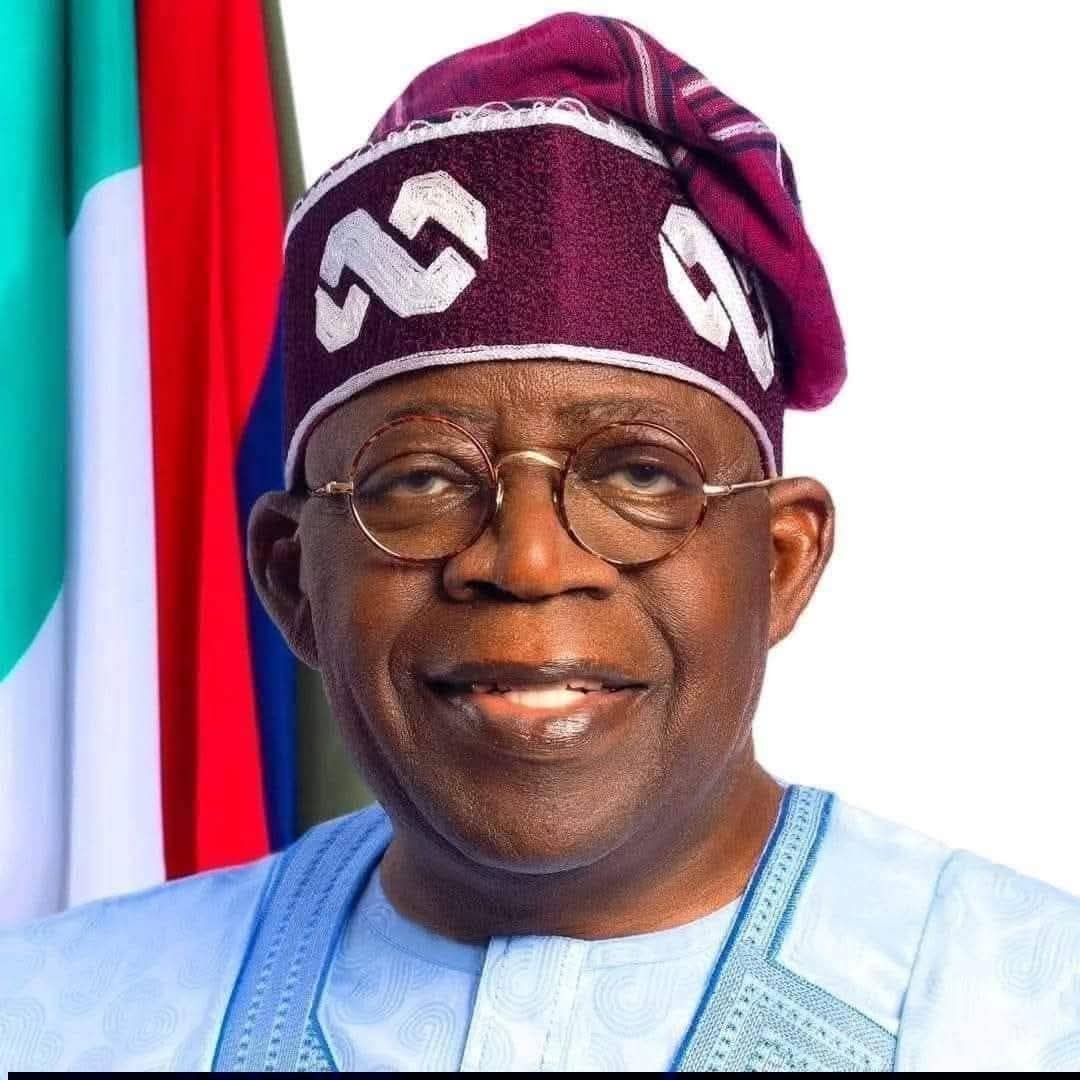
In a sweeping directive poised to reshape Nigeria’s political terrain, President Bola Ahmed Tinubu has ordered all political appointees with ambitions for the 2027 general elections to resign their positions on or before March 31, 2026.
The directive, communicated through the Secretary to the Government of the Federation, George Akume, affects a wide cadre of top government officials.
Those impacted include; Ministers and Ministers of State, Special Advisers and Assistants, Directors-General, Chief Executive Officers of government agencies, and all other presidential appointees.
The move effectively halts the long-standing practice where public office holders simultaneously occupy government positions, while pursuing elective offices, an issue that has drawn sustained criticism from electoral stakeholders.
Anchored on the provisions of the Electoral Act 2022, particularly Section 84(12), the directive reinforces the legal requirement mandating political appointees to resign before participating in party primaries or seeking nomination for elective positions.
Although the section has faced legal contestations in the past, its underlying objective ensuring fairness, transparency, and equity in the electoral process remains central to Nigeria’s democratic framework.
Legal analysts note that by setting a firm deadline well ahead of party primaries, the presidency is taking proactive steps to forestall constitutional disputes capable of disrupting the electoral timetable of the Independent National Electoral Commission (INEC).
The immediate effect of the order is expected to trigger a wave of resignations across government in the coming weeks, as political appointees weigh the security of their current offices against their electoral ambitions.
Observers believe the directive could significantly curb the misuse of state resources for campaign purposes, strengthen internal democracy within political parties, and encourage early political declarations.
It is also expected to recalibrate alliances and power blocs within the nation’s major parties ahead of the 2027 contest.
However, the policy is not without potential drawbacks. Analyst, Umo Bassey warn that a mass exit of key officials could create temporary administrative gaps and disrupt ongoing government programmes.
Reactions to the development have been mixed. While civil society organisations and pro-democracy advocates have lauded the move as a bold step toward electoral integrity, some political actors, Hon. Udo Michael and Mr. Ita Sunday view it as a strategic maneuver amid intensifying permutations for 2027.
Critics have also raised concerns over the tight timeline, arguing that it may compel premature political positioning and affect governance continuity.
Commenting on the development, political analyst based in Uyo, Okechukwu John described the directive as “a litmus test for political discipline,” noting that the coming weeks will reveal the level of compliance and the seriousness of enforcement.
He commended President Tinubu’s stance as a decisive effort to instill order within the political class and set a firm tone ahead of what is expected to be a highly competitive general election.
With the countdown to the March 31 deadline underway, Nigeria’s political landscape is bracing for a significant realignment, one that could redefine the delicate balance between public service and political ambition in Africa’s largest democracy.