
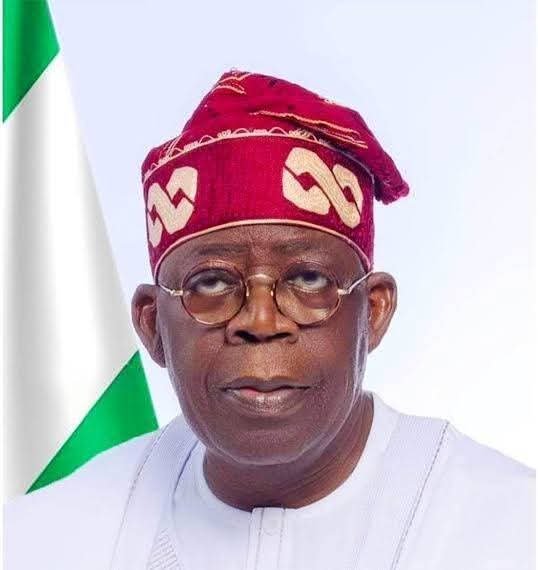
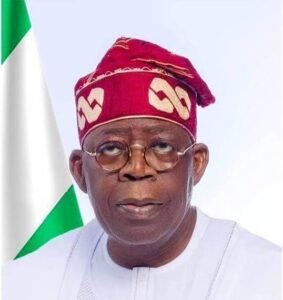
Bola Ahmed Tinubu has approved a comprehensive payment plan to settle ₦3.3 trillion in long-standing debts within Nigeria’s power sector, in a decisive move aimed at stabilising electricity supply and restoring confidence across the industry.
The intervention, executed under the Presidential Power Sector Financial Reforms Programme, follows a final verification of legacy liabilities accumulated between February 2015 and March 2025.
According to the presidency, the approved sum represents a full and final settlement of obligations that have weighed down the sector for over a decade, stalling growth and operational efficiency.
Implementation of the repayment plan has already commenced, with 15 power generation companies entering into settlement agreements valued at ₦2.3 trillion.
To kick-start the process, the Federal Government has raised ₦501 billion, out of which ₦223 billion has been disbursed, while further payments are ongoing.
Officials say the initiative is expected to significantly boost electricity generation and supply nationwide.
With improved liquidity reaching generation companies and gas suppliers, the government anticipates more stable output, enhanced reliability, and renewed investor confidence in the power sector.
Special Adviser to the President on Energy, Olu Arowolo-Verheijen, described the programme as more than a debt settlement, noting that it is a strategic reform effort designed to restore operational stability.
She added that complementary measures, including improved metering and service-based tariffs, are being implemented to better align electricity costs with service delivery.
The administration also underscored its commitment to prioritising electricity supply to industries, businesses, and small enterprises, stressing that reliable power remains critical to job creation and economic growth.
President Tinubu commended stakeholders for their cooperation in resolving the lingering debt crisis and confirmed that the next phase of the reform programme, tagged “Series II,” will commence within the current quarter.
However, stakeholders caution that while the debt settlement marks a significant milestone, it is not a complete solution to Nigeria’s power challenges.
They argue that beyond the ₦3.3 trillion obligation, the sector’s problems remain largely structural, including weak transmission infrastructure, inefficient distribution networks, persistent grid collapses, metering gaps, and energy theft.
They insist that although the repayment plan is a bold and necessary step, sustained reforms and infrastructure upgrades will be required to ensure Nigerians ultimately enjoy reliable and uninterrupted electricity supply.