

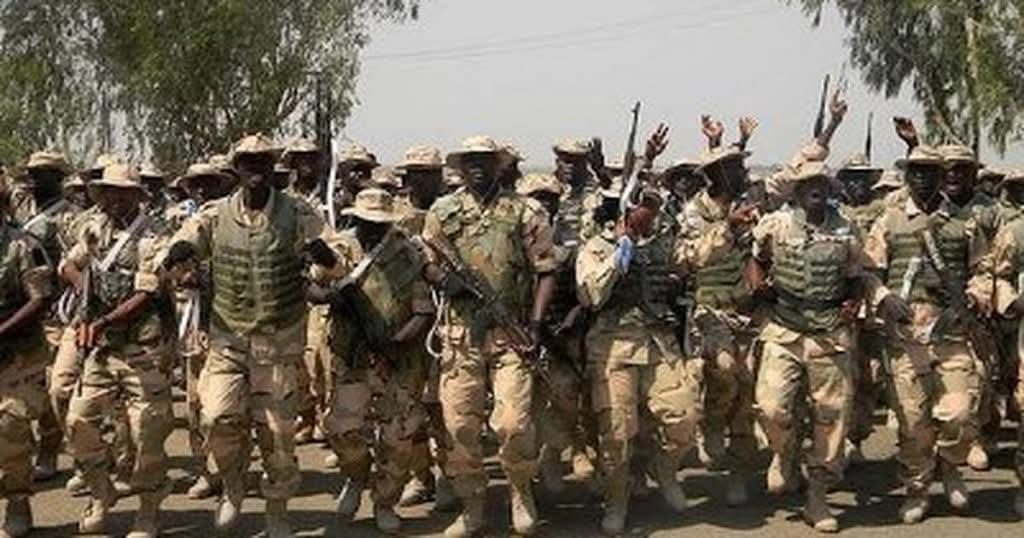

The Nigerian Army has expressed deep concern over the low level of enlistment by youths from Eket Local Government Area of Akwa Ibom State, despite the ongoing nationwide recruitment exercise aimed at strengthening the country’s security architecture.
Army authorities, in a recent appeal, urged eligible young men and women in the area to take advantage of the opportunity to serve the nation, describing the poor turnout as both disappointing and worrisome in the face of rising security challenges across the country.
According to officials, the recruitment drive offers not only a pathway to national service but also access to career development, professional training, and social mobility.
However, the response from Eket youths has remained significantly below expectations compared to other parts of the country.
Community stakeholders have attributed the apathy to a growing lack of confidence in public institutions, concerns over welfare and safety of personnel, and the perception that military service is less attractive than opportunities abroad.
“There is a noticeable trend where many of our youths are looking beyond the shores of Nigeria for greener pastures, including military careers in foreign countries,” a local leader noted, referencing reports of young Nigerians seeking enlistment in forces such as the United States Army.
Observers say this development reflects a deeper socio-economic challenge, where unemployment, insecurity, and distrust in governance structures are shaping the career choices of the younger generation.
Security analysts warn that continued low participation in military recruitment from key regions could weaken local representation within the armed forces and undermine national cohesion in the long term.
The Nigerian Army has therefore called on traditional rulers, community leaders, and parents to encourage youths to embrace the recruitment exercise, stressing that a strong and inclusive military remains critical to safeguarding Nigeria’s sovereignty and territorial integrity.
As the recruitment window remains open, authorities insist that reversing youth apathy will require not only sustained advocacy but also renewed commitment to improving welfare, transparency, and public trust in the nation’s armed forces.