


ABUJA – The Federal Government of Nigeria has officially banned recipients of honorary doctorates from using the “Dr” prefix, in a sweeping move to curb academic fraud and restore credibility to the nation’s educational system.
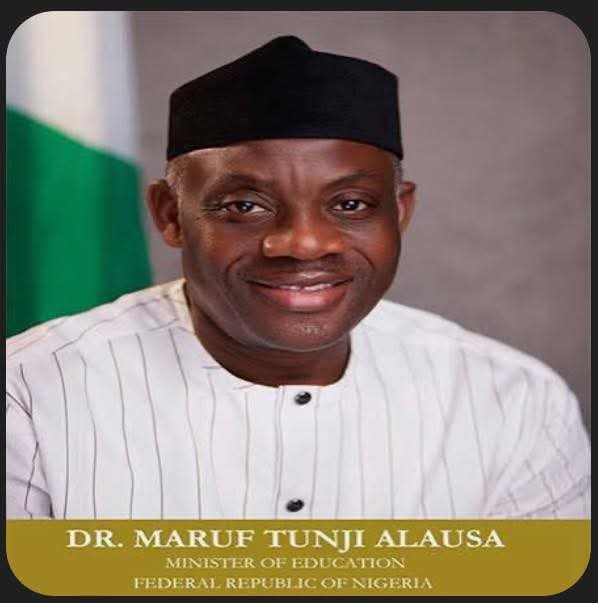
The directive, approved by the Federal Executive Council (FEC), was announced yesterday in Abuja by the Minister of Education, Dr. Tunji Alausa, during a briefing with State House correspondents.
Under the new policy, holders of honorary degrees are no longer permitted to prefix “Dr” to their names in any official, academic, or professional setting. Instead, they are required to clearly indicate the honorary nature of the award using post-nominal designations such as “LL.D (Honoris Causa)” or “D.Lit (Hons).”
The government warned that presenting honorary degrees as earned academic qualifications will now be treated as academic fraud, attracting legal and reputational consequences.
Alausa said the policy was introduced to address the growing abuse, politicisation, and commercialisation of honorary degrees, which have increasingly been awarded for political patronage and financial gain rather than merit.
As part of the reforms, Nigerian universities are now restricted to awarding only four categories of honorary degrees: Doctor of Laws (LL.D), Doctor of Letters (D.Lit), Doctor of Science (D.Sc), and Doctor of Humanities (D.Arts).
The policy also bars institutions without active PhD programmes from conferring honorary degrees, while mandating that all such awards must clearly bear the words “honorary” or “Honoris Causa” on certificates and official references.
The National Universities Commission (NUC), alongside the Federal Ministry of Education, has been tasked with enforcing compliance, including monitoring convocation ceremonies and publishing an annual list of legitimate recipients.
The development marks a decisive step by the government to sanitise Nigeria’s academic space and restore public confidence in the integrity of earned academic titles.