
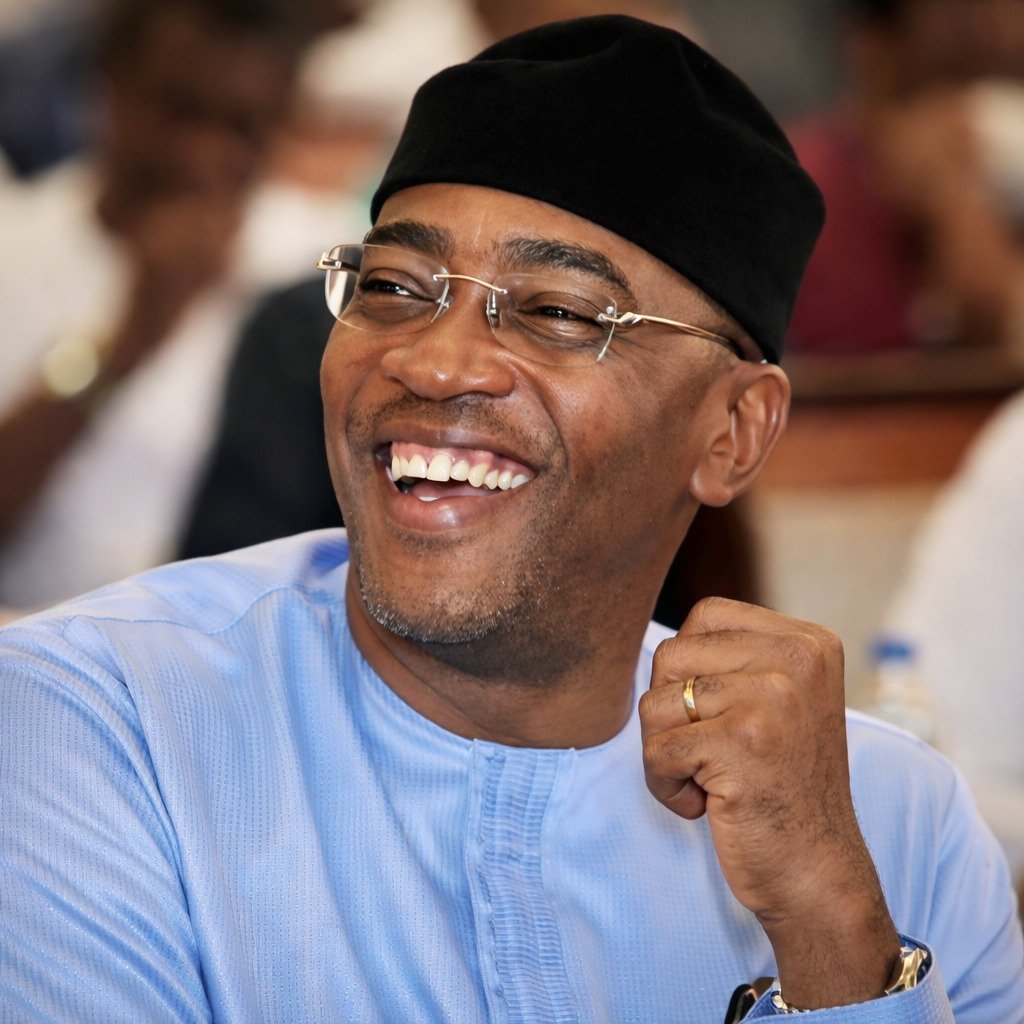
In an era when effective public administration remains one of the greatest challenges confronting governance in Nigeria, Prince Enobong Uwah has emerged as a shining example of professionalism, competence, and integrity in public service.
As Secretary to the Akwa Ibom State Government (SSG), he occupies one of the most strategic and demanding positions in the state’s executive architecture. Yet, through diligence, discipline, and exceptional leadership, he has distinguished himself as a key pillar in the success of the administration.
A proud son of Akwa Ibom State, Prince Uwah embodies the values of service, responsibility, and purposeful leadership deeply rooted in the state’s rich cultural heritage. His princely background reflects not merely a title of honour but a tradition of stewardship that has profoundly influenced his approach to leadership.
From an early age, he demonstrated remarkable intellectual depth, discipline, and a commitment to excellence; qualities that have continued to define his career in public service.
Unlike many who ascend through the ranks on the strength of political patronage, Prince Uwah’s rise has been built on proven competence and an unwavering dedication to duty.
Throughout his career, he has consistently delivered results, earning a reputation as an administrator capable of transforming systems, strengthening institutions, and fostering efficiency.
His broad experience across various sectors of government provided him with a comprehensive understanding of governance long before he assumed the office of Secretary to the State Government.
The office of the SSG serves as the administrative nerve centre of any state government. It requires a delicate balance of political sensitivity, administrative expertise, strategic coordination, and institutional leadership.
In Akwa Ibom, Prince Uwah has demonstrated a remarkable capacity to manage these responsibilities with calmness, precision, and effectiveness.
Under his stewardship, coordination among ministries, departments, and agencies has improved significantly, while government processes have become more streamlined, transparent, and responsive to the needs of the people.
One of his most enduring contributions lies in his commitment to institutional development. Recognising that sustainable governance extends beyond the lifespan of any administration, Prince Uwah has championed reforms designed to strengthen government structures and improve service delivery.
His efforts to enhance policy coordination, improve Executive Council operations, and promote capacity building within the civil service have contributed immensely to creating a more efficient and productive public sector.
Central to his philosophy is the belief that government institutions are only as effective as the people who operate them.
Consequently, he has consistently advocated investment in human capital development, encouraging continuous training and professional growth for public servants. This vision has helped cultivate a more capable workforce equipped to meet the evolving demands of governance.
Beyond his administrative accomplishments, Prince Uwah is widely respected for his exemplary character and leadership temperament.
In an environment often characterised by competing interests and political pressures, he remains a voice of reason, stability, and constructive engagement.
Colleagues and stakeholders frequently describe him as a skilled consensus-builder who approaches challenges with patience, wisdom, and a sincere commitment to finding solutions that serve the collective interest.
His leadership style is inclusive and collaborative. He values diverse perspectives, encourages teamwork, and empowers those around him to contribute meaningfully to governance.
These qualities have not only enhanced workplace productivity but have also fostered a culture of mutual respect and professionalism within government circles.
Perhaps most commendable is his steadfast commitment to ethical leadership. At a time when public confidence in institutions is often tested, Prince Uwah’s record remains exemplary.
He understands that public office is fundamentally a trust bestowed by the people and has consistently conducted himself with transparency, accountability, and integrity.
Rather than relying on rhetoric, he has focused on building systems and processes that promote good governance and reduce opportunities for inefficiency and misconduct.
Yet, what truly sets Prince Uwah apart is his people-centred approach to governance. For him, policies and programmes are not merely administrative exercises; they are instruments for improving lives.
Every decision is measured against a simple but profound question: how will this benefit the people of Akwa Ibom?
This unwavering focus on public welfare continues to guide his service and reinforces his relevance as a public servant dedicated to the common good.
Outside the corridors of government, he remains actively involved in community development, youth empowerment, and social intervention initiatives.
His commitment to the progress of Akwa Ibom extends beyond official responsibilities, reflecting a genuine passion for the wellbeing of the people he serves.
Though his journey in public service is still unfolding, Prince Enobong Uwah’s impact is already evident in the institutions he has strengthened, the professionals he has mentored, and the governance culture he has helped shape.
He represents the very best of public administration—an administrator who combines competence with character, authority with humility, and influence with service.
Akwa Ibom State is fortunate to have such a dedicated and visionary public servant. His career serves as a reminder that effective governance is possible when leadership is anchored on integrity, professionalism, and an unwavering commitment to the public good.
In every sense, Prince Enobong Uwah exemplifies the qualities upon which great institutions, great states, and indeed great nations are built.
This article was written by Mr. Okon Edet, who is based in Uyo and published by UyoInfomedia Ltd.