
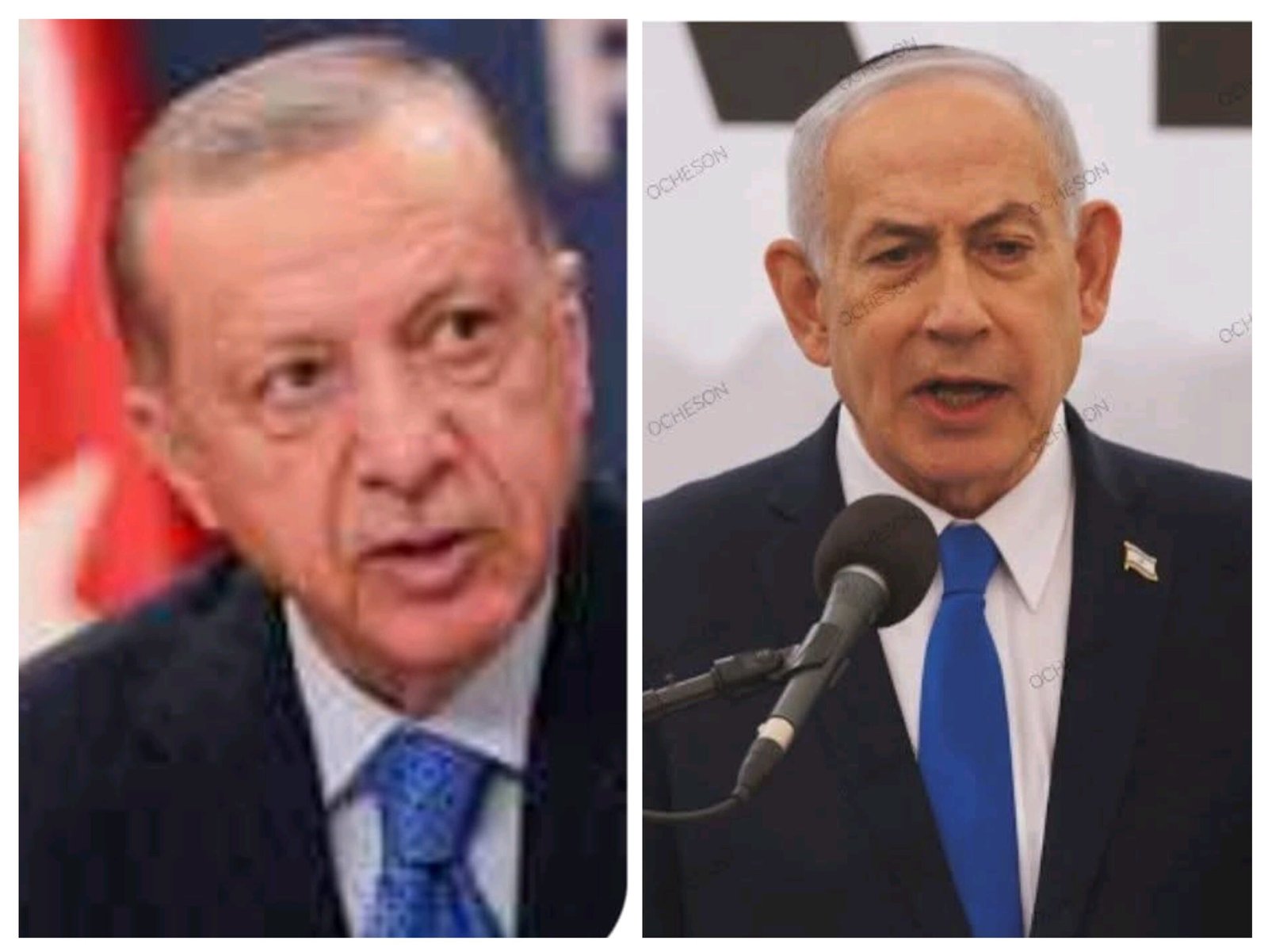
The diplomatic rift between Israel and Turkey deepened yesterday (Wednesday), after a senior Israeli official launched a scathing attack on Turkish President, Recep Tayyip Erdoğan, accusing him of supporting extremist groups, suppressing political opponents, and lacking the moral authority to criticize Israel’s military actions in the Middle East.
In a strongly worded statement, the Israeli official described Erdoğan as “the last person who can lecture the State of Israel on morality,” alleging that the Turkish leader has persecuted political rivals, curtailed civil liberties, and backed Hamas, the Palestinian militant group designated as a terrorist organization by Israel, the United States, and several Western nations.
The remarks mark the latest escalation in the increasingly hostile exchanges between Ankara and Tel Aviv, whose relations have deteriorated sharply since the outbreak of the Israel-Hamas war in Gaza.
Erdoğan has repeatedly condemned Israel’s military operations in Gaza, accusing it of committing atrocities against Palestinians and calling for international action against the Jewish state.
Responding to the criticism, the Israeli official defended the conduct of the Israel Defense Forces (IDF), describing it as “the most moral army in the world,” and reaffirmed Israel’s determination to continue military operations against Iran and Iran-backed groups across the region.
“The State of Israel and the IDF will continue to take forceful action against Iran and its proxies, which threaten the Middle East and the entire world,” the statement said.
The latest exchange comes amid heightened regional tensions involving Iran, Israel, Hezbollah in Lebanon, Hamas in Gaza, and several armed groups operating across the Middle East.
Israeli leaders have consistently accused Tehran of orchestrating attacks against Israel through proxy militias, while Iran has denied direct involvement and accused Israel of destabilizing the region.
Analysts warn that the growing war of words between Israel and Turkey could further complicate efforts to ease tensions in the Middle East, particularly as both countries remain influential regional powers with competing interests in Syria, Gaza, and the wider Eastern Mediterranean.
Despite periodic attempts at rapprochement in recent years, relations between Ankara and Tel Aviv have remained strained, with the Gaza conflict reigniting deep political and diplomatic divisions.
The latest verbal confrontation underscores the widening gulf between the two governments as the regional security crisis continues to intensify.