
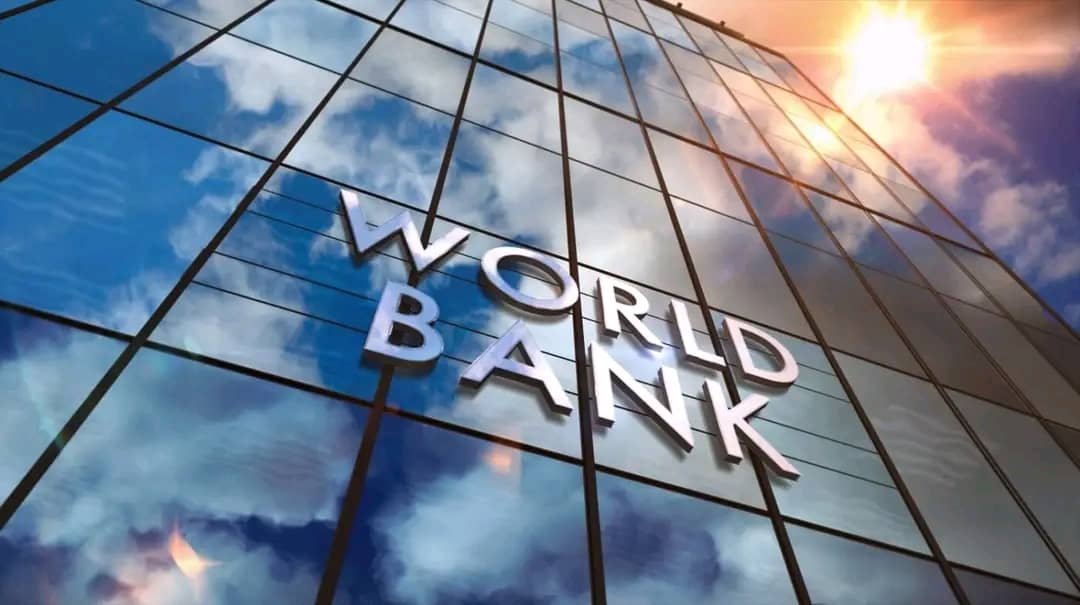
The World Bank Group says it will support reforms to Nigeria’s electricity tariff and subsidy frameworks as part of new efforts to restore financial sustainability to the country’s power sector.
The disclosure was contained in the Bank’s Country Partnership Framework for Nigeria covering the 2026 to 2032 fiscal period, released this week.
According to the document, the intervention will focus on improving electricity access and reliability for both households and businesses. It will cover both on-grid and off-grid solutions in line with Nigeria’s Mission 300 Compact targets.
The World Bank noted that Nigeria currently has the world’s largest electricity access deficit. More than 86 million Nigerians lack access to electricity, a gap the Bank says must be closed to drive inclusive growth.
Under the new framework, the Bank said it will work with the Federal Government to restructure tariffs in a way that protects vulnerable consumers while ensuring that distribution companies and other players in the value chain remain viable.
The Bank added that subsidy reforms will be designed to reduce fiscal pressure on government and attract private investment into generation, transmission and distribution.
It explained that expanding off-grid solutions such as solar mini-grids and standalone systems will be critical to reaching unserved and underserved communities, particularly in rural areas where grid extension remains costly.
The Country Partnership Framework also prioritizes strengthening regulatory institutions, improving collection efficiency and reducing losses across the power sector.
World Bank officials said the reforms are expected to improve service delivery, reduce outages and create jobs in the energy sector over the 2026 to 2032 period.
The Bank reaffirmed its commitment to partnering with Nigeria to achieve universal energy access, noting that a financially sustainable power sector is key to industrialization and poverty reduction.