
A legal practitioner based in Nigeria, Barrister Theodore Williams, has faulted the Federal Government’s recently announced 30-day petrol discount at filling stations belonging to the Nigerian National Petroleum Company Limited, NNPCL, describing it as a short-term palliative that fails to tackle the fundamental economic challenges confronting Nigerians.
Barrister Williams, who made his position known during an interview with newsmen stated that while any form of relief is welcome, the petrol discount initiative does not address the root causes of hardship in the country and may end up having little or no meaningful effect on the lives of ordinary citizens.
According to him, the policy appears to be more of a cosmetic approach to a deep-rooted problem, as the high cost of petroleum products remains one of the major drivers of inflation and economic difficulty, and a temporary slash in price for just thirty days cannot provide lasting succour.
The legal practitioner also raised questions about the timing of the announcement, noting that the initiative is coming at a period when political activities and election campaigns are gradually gathering momentum across the country, a development which he said calls for proper scrutiny.
He expressed worry that the petrol discount may have been introduced more for political optics than out of genuine concern for the welfare of Nigerians, stressing that such measures often fail to translate into tangible benefits for the masses when subjected to reality checks.
Barrister Williams, in the first audio clip recorded during the interview and marked as CUE IN FUEL 1, CUE OUT, was heard analysing the motive behind the policy and expressing doubts about whether the average Nigerian on the street will actually feel the impact of the discount.
He pointed out that previous interventions of similar nature by the government have not yielded the desired results, as they were poorly implemented and lacked proper monitoring mechanisms to ensure that the benefits truly reach the intended beneficiaries at the grassroots.
The lawyer further argued that a genuine welfare policy should be broad-based, sustainable and capable of cushioning the effects of fuel subsidy removal and other economic reforms on households, rather than a one-month discount restricted to a particular chain of filling stations.
Williams drew attention to the operational challenges that may arise from limiting the discount to designated NNPCL retail outlets alone, warning that the initiative may create more problems than it seeks to solve.
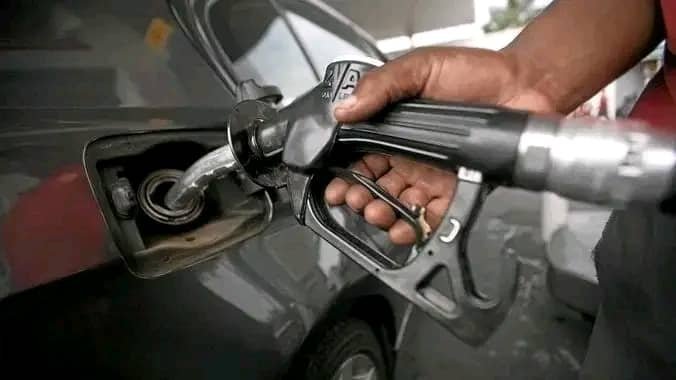
He explained that with the announcement of a cheaper pump price at NNPCL stations, there is bound to be a massive rush by motorists, commercial transporters and other consumers to those specific outlets, leading to long queues, overcrowding and unnecessary man-hours wasted.
According to him, many Nigerians may end up spending hours on fuel queues just to access the discounted product, and in some cases, the cost of waiting and the stress involved may outweigh the little amount saved from the price reduction.
Barrister Williams also noted that the NNPCL does not have filling stations in every nook and cranny of the country, which means that residents of rural communities and areas without NNPCL outlets will be completely excluded from benefiting from the so-called relief measure.
He maintained that such a selective approach to implementing a national policy undermines the principle of equity and fairness, as it discriminates against a large segment of the population who also bear the brunt of high fuel prices and rising cost of living.
The legal practitioner stressed that for any fuel-related intervention to be effective, it must be all-inclusive, well-coordinated and extended to all licensed marketers across the country, with a robust mechanism to ensure compliance and prevent diversion or exploitation.
He stated that Nigerians are currently grappling with multiple economic pressures, including high inflation, rising food prices, high cost of transportation and reduced purchasing power, and therefore need comprehensive and people-centred policies that will provide real relief.
Williams insisted that the 30-day discount cannot be classified as a genuine welfare programme, because welfare policies are expected to have long-term impact on the well-being of citizens and should be designed to lift people out of hardship rather than offer fleeting comfort.
He called on the Federal Government to rethink its approach and come up with more sustainable and impactful measures, such as targeted support for low-income earners, investment in mass transportation, and policies that will stabilise fuel prices in the long run.
The lawyer also urged the government to prioritise transparency and accountability in the implementation of any palliative programme, so that Nigerians can clearly see how public funds are being utilised to alleviate their suffering and improve their living conditions.
According to him, what Nigerians need at this critical time is not a temporary discount that will expire after thirty days, but a clear roadmap and deliberate economic reforms that will address the high cost of living and restore confidence in the nation’s economy.
He concluded by advising the Federal Government to engage with stakeholders, including legal experts, economists, labour unions and civil society organisations, to design people-oriented policies that will truly ease the hardship faced by millions of Nigerians across the country.