

Nigeria has recorded no fewer than 268 deaths from Lassa fever in 2026, following a sustained outbreak of the viral haemorrhagic disease across several states of the federation.
The figure was released by the Nigeria Centre for Disease Control and Prevention, NCDC, in its latest situation report, which showed that 1,138 confirmed cases of the disease have been reported between January and early October this year.
The data indicates that Lassa fever remains a major public health concern in the country, with a high case fatality rate despite ongoing efforts by health authorities to contain its spread.
According to the NCDC, the disease has continued to spread to new areas, with many states recording confirmed cases and deaths within the period under review.
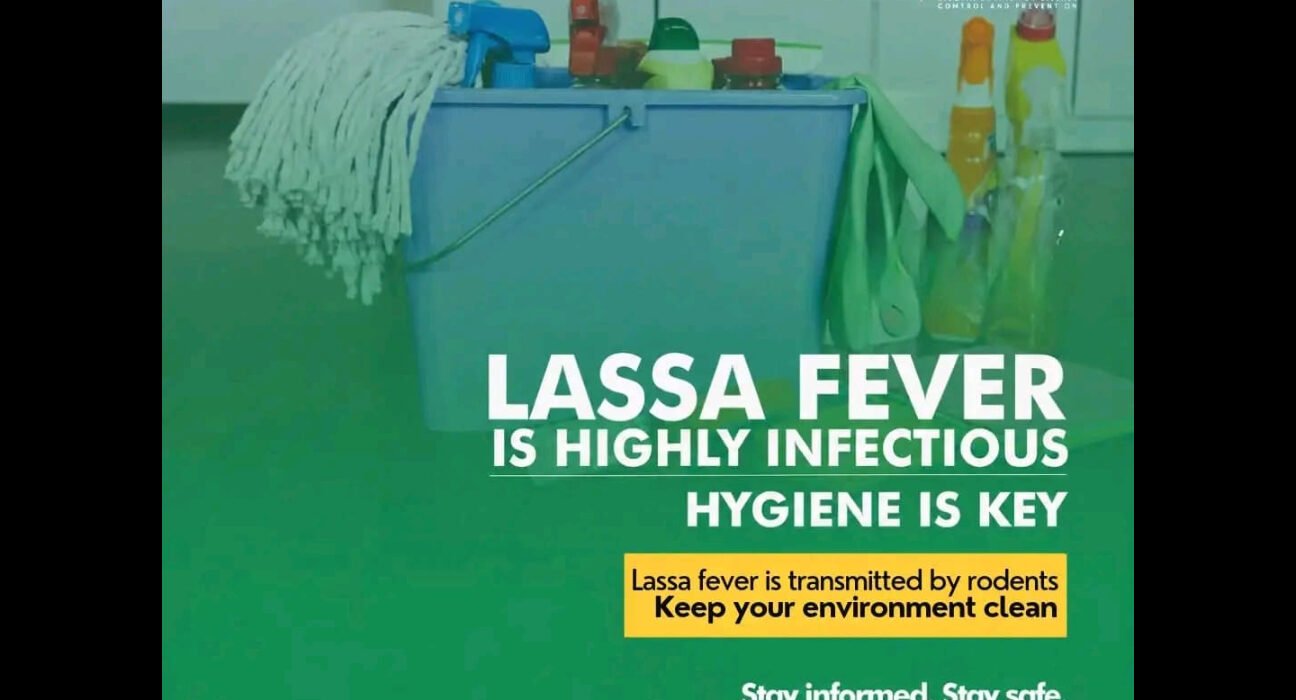
Health experts have attributed the rising number of cases to poor environmental hygiene, improper storage of food items and increased contact between humans and rodents, which are the primary carriers of the virus.
Lassa fever is caused by the Lassa virus, which is transmitted to humans through contact with food or household items contaminated with urine or faeces of infected Mastomys rats.
The disease can also spread from person to person through direct contact with blood, urine, faeces and other body fluids of an infected person, particularly in health care settings where infection control measures are not strictly adhered to.
Against this backdrop, medical professionals have stressed the need for early detection and proper diagnosis of the disease to prevent avoidable deaths.
Speaking with Newsmen, a medical doctor, Dr. Nnamdi Ifechineke, explained that the early symptoms of Lassa fever often mimic those of malaria, which makes it difficult for many patients to seek timely medical help.
Ifechineke noted that patients infected with Lassa fever may present with fever, headache, general body weakness, sore throat, muscle pain, nausea, vomiting and diarrhoea, which are also common symptoms of malaria and typhoid fever.
He explained that because of the similarity in symptoms, many people resort to self-medication or assume they have malaria, thereby delaying proper medical evaluation and treatment.
According to him, such delay can lead to complications, as Lassa fever can progress rapidly and cause bleeding from different parts of the body, difficulty in breathing, facial swelling and even death if not treated early.
The medical practitioner therefore advised members of the public to avoid self-diagnosis and to visit a health facility promptly whenever they experience persistent fever that does not respond to malaria treatment.
He emphasised that proper laboratory investigation is critical to confirm whether a patient is suffering from Lassa fever or another ailment, and to ensure that appropriate treatment is commenced without delay.
Ifechineke also called on health workers to maintain a high index of suspicion and to adhere strictly to infection prevention and control protocols when attending to patients with febrile illnesses.
In a related development, a pharmacist, Ifiok Udoubak, has advised residents to adopt preventive measures to reduce the risk of contracting Lassa fever.
Udoubak, who also spoke with Comfort FM News, stressed that prevention remains the most effective way to curb the spread of the disease in communities.
He urged households to store food items properly in tightly covered containers and to avoid spreading food in open places where rodents can have access to them.
According to the pharmacist, keeping the environment clean and free of clutter, disposing of waste properly and blocking all rat holes and entry points in homes are essential steps to prevent rodent infestation.
He added that residents should also ensure regular hand washing, maintain good personal hygiene and avoid contact with rodents as much as possible.
Udoubak further advised that people should not handle rats with bare hands and should ensure that dead rats found in homes are disposed of safely using protective materials.
He noted that communities with poor waste management systems are more vulnerable to Lassa fever outbreaks because indiscriminate dumping of refuse provides breeding grounds for rodents.
The health professionals who spoke with Comfort FM emphasised that early presentation at health facilities significantly improves the chances of survival for patients infected with Lassa fever.
They urged members of the public to seek medical attention promptly if they suspect they have been exposed to the virus or are experiencing symptoms suggestive of the disease.
According to them, early detection and appropriate treatment with antiviral drugs can prevent complications and reduce mortality from the disease.
They also called on government at all levels to intensify public enlightenment campaigns on Lassa fever prevention and to strengthen surveillance and response systems across the country.
Meanwhile, the NCDC has continued to advise Nigerians to maintain good environmental hygiene, avoid contact with rodents and report any suspected case of Lassa fever to the nearest health facility for prompt action.