
The King of Spain, His Majesty King Felipe VI, has called for good neighbourly relations with the Kingdom of Morocco during a landmark visit to Ceuta, even as tensions over migration continue to put a strain on diplomatic ties between the two neighbouring countries.
The visit, which is being described as symbolic and politically significant, comes at a time when relations between Madrid and Rabat are being tested by disagreements over migration, border management and territorial sovereignty.
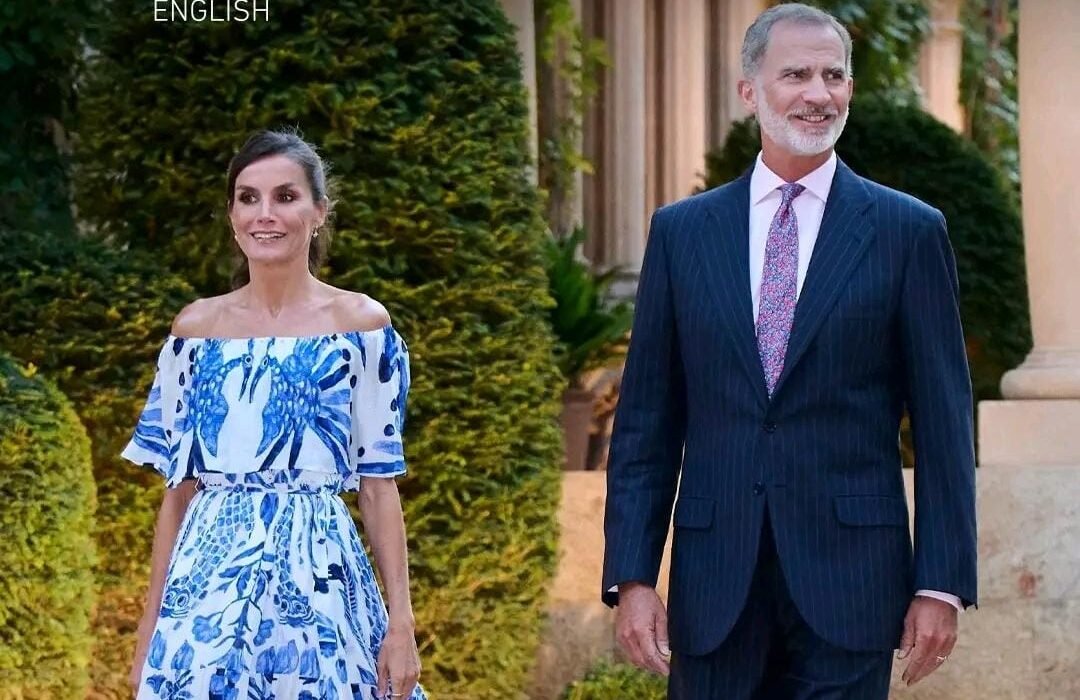
King Felipe VI, who was accompanied on the trip by his wife, Queen Letizia, used the occasion to reaffirm Spain’s sovereignty over Ceuta and Melilla, the two Spanish-administered enclaves located on the northern coast of Africa.
The two territories, which are surrounded by Morocco and the Mediterranean Sea, have long been claimed by Morocco, which considers them as occupied Moroccan cities, while Spain insists they are integral parts of its territory.
Speaking during the visit, King Felipe maintained that the status of Ceuta and Melilla as Spanish cities was not negotiable and remained firmly under Spanish sovereignty, a position that has been consistently upheld by successive Spanish governments.
However, despite his firm stance on the sovereignty issue, the monarch emphasised the need for Spain and Morocco to maintain cooperation and sustain their strategic partnership in the interest of both countries and the wider region.
He noted that while disagreements may arise from time to time, it was important for the two kingdoms to continue to engage in dialogue and work together on issues of mutual concern, particularly those relating to border security and migration.
The call for cordial relations underscores Madrid’s interest in preserving its diplomatic relationship with Rabat, which is considered a key partner in managing irregular migration into Europe and in maintaining stability in North Africa.
Spain and Morocco share a complex relationship that has been marked by periods of close cooperation as well as episodes of diplomatic tension, especially over the status of Ceuta and Melilla and the handling of migrants attempting to cross into Europe.
In recent months, the issue of migration has once again brought the two countries into the spotlight, as thousands of migrants have attempted to enter the Spanish enclaves, putting pressure on Spanish border officials and testing existing cooperation agreements.
Against this backdrop, King Felipe’s message of good neighbourliness is seen as an attempt to calm nerves and reassure both sides that Spain remains committed to working with Morocco despite the challenges surrounding Europe’s southern borders.
On the Moroccan side, King Mohammed VI had earlier criticised what he described as irresponsible political and media statements that seek to exploit the migration crisis for political gains, warning that such actions could undermine bilateral relations.
The Moroccan monarch insisted that cooperation between Rabat and Madrid should be based on mutual respect and trust, and should not be subjected to undue pressure, blackmail or political manoeuvring.
King Mohammed VI also stressed that Morocco has made enormous efforts to control irregular migration and to prevent human trafficking networks from using its territory as a transit point to Europe.
Observers say the exchange of statements by the two monarchs reflects the delicate balance both countries are trying to maintain as they navigate the contentious issues of sovereignty and migration control.
Ceuta and Melilla occupy a unique position in European Union geography, as they are the only land borders between the EU and Africa, making them a focal point for migration and border security debates within Europe.
The presence of King Felipe VI in Ceuta was therefore not just a ceremonial visit but also a strong political statement aimed at reaffirming Spain’s commitment to the two territories and its citizens.
During the visit, the Spanish King and Queen met with local authorities, security personnel and residents of Ceuta, and were accorded a warm reception by the people of the enclave.
The King praised the resilience and loyalty of the people of Ceuta and assured them of the continued support of the Spanish state in ensuring their security, development and well-being.
He also acknowledged the strategic importance of Ceuta as a meeting point between Europe and Africa and as a symbol of Spain’s historical presence in the region.
Analysts believe that King Felipe’s visit and his call for good neighbourly relations send a dual message, that Spain will not compromise on its sovereignty over Ceuta and Melilla, but at the same time, it values its relationship with Morocco.
The visit is also expected to draw reactions from Morocco, which has consistently maintained that Ceuta and Melilla are Moroccan territories under Spanish occupation and has called for negotiations on their future.
Despite the long-standing dispute, both countries have in the past demonstrated a willingness to cooperate on security, trade, counter-terrorism and migration management.
Diplomatic sources in Madrid have expressed hope that the King’s remarks will help to de-escalate tensions and pave the way for renewed dialogue between the two kingdoms.
For many observers across Europe and Africa, the developments in Ceuta highlight the broader challenges facing Europe’s borders, where issues of sovereignty, migration and international cooperation continue to intersect in complex ways.