
IKOT EKPENE – The Director-General of the Bureau of Public Procurement (BPP), Dr. Adebowale A. Adedokun, has disclosed that the Federal Government saved about ₦1.1 trillion in 2025 through improved procurement processes and price intelligence, while currently recording average weekly savings of ₦8 billion in 2026.
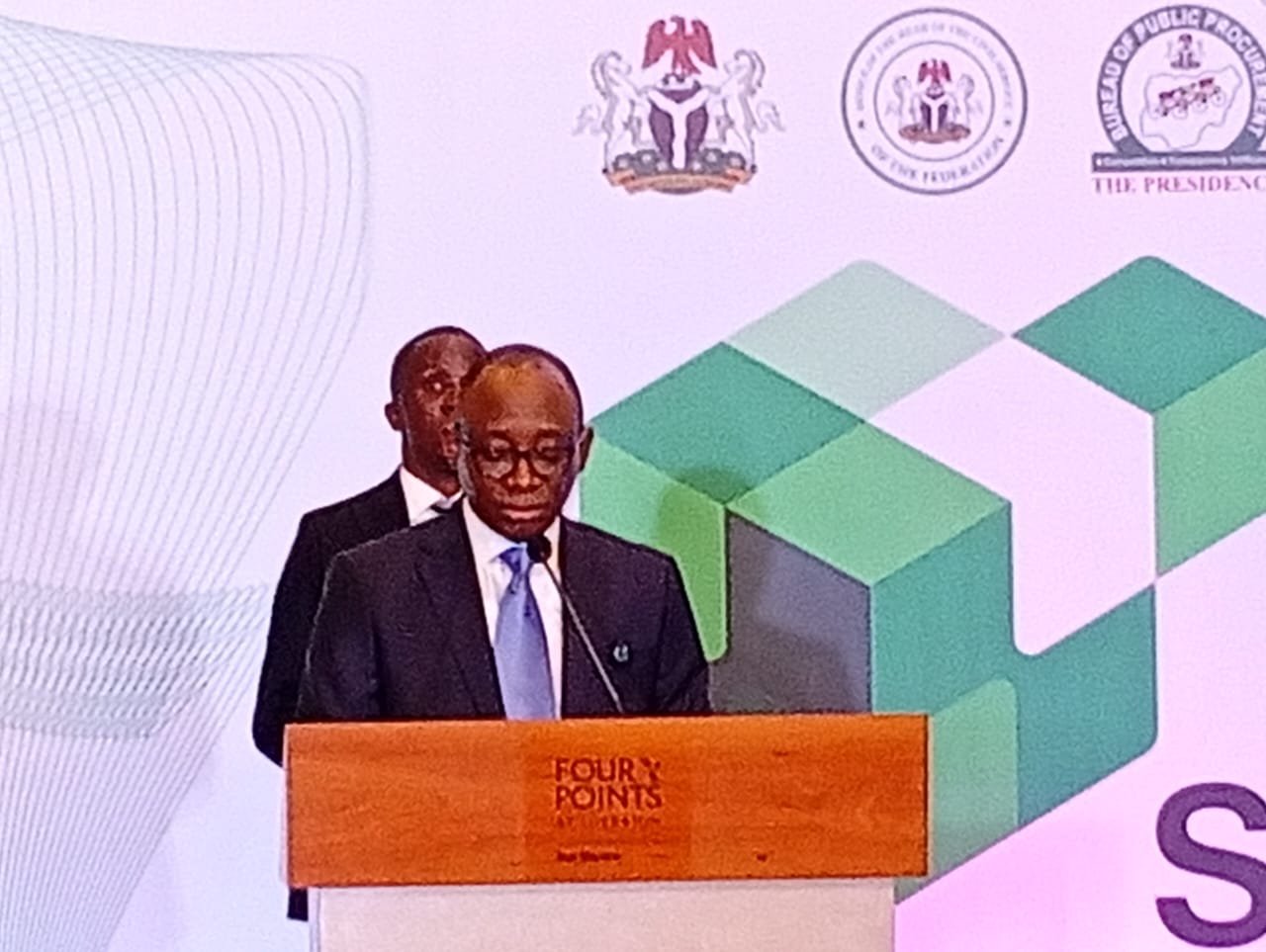
Adedokun made the disclosure while delivering the opening address at the 2026 Permanent Secretaries’ Retreat held at Four Points by Sheraton, Ikot Ekpene, Akwa Ibom State.
The retreat, which ran from July 9 to 12, focused on the theme: “Strengthening Procurement Leadership and Accountability for Effective Budget Execution and National Development.”
The BPP boss described public procurement as a critical instrument for governance and national development, stressing that the quality of procurement directly influences the quality of service delivery across sectors such as infrastructure, healthcare, education and security.
According to him, procurement serves as the bridge between budget approval and the delivery of projects and services to citizens, warning that weak procurement processes often lead to abandoned projects, cost overruns, delayed implementation and poor budget performance.
He reminded Permanent Secretaries, who serve as Accounting Officers in Ministries, Departments and Agencies (MDAs), of their statutory responsibility under the Public Procurement Act 2007 to ensure transparency, compliance and value for money in all procurement activities.
Adedokun revealed that the Bureau has introduced administrative sanctions against erring procurement officers and non-compliant procuring entities, alongside a debarment policy aimed at blacklisting contractors involved in procurement violations.
He urged MDAs to comply with BPP circulars on budget implementation and contract administration, emphasizing that the publication of contract awards on agency websites and the submission of quarterly procurement reports remain mandatory.
Highlighting the Bureau’s reform drive under President Bola Ahmed Tinubu’s Renewed Hope Agenda, the DG disclosed that BPP is implementing 23 major procurement reforms designed to modernise Nigeria’s procurement system.
The reforms include the proposed amendment of the Public Procurement Act 2007, development of a National Procurement Strategy Framework, revised procurement thresholds, contractor classification and categorisation, community-based and affirmative procurement, food procurement standardisation, improved contractor registration processes, deployment of sector-specific procurement professionals and the rollout of Electronic Government Procurement (e-GP).
He said the reforms are already yielding positive outcomes and attracting international recognition, citing the Sustainable Procurement, Environmental and Social Standards Enhancement (SPESSE) programme as a global reference point.
Under the initiative, specialised undergraduate degree programmes in sustainable procurement and related fields have been established in six Centres of Excellence, including Ahmadu Bello University, University of Lagos, University of Benin, Abubakar Tafawa Balewa University, Federal University of Technology Owerri and Joseph Sarwuan Tarka University.
Adedokun commended President Tinubu, Vice President Kashim Shettima and the National Assembly for providing the political and legislative support required to advance procurement reforms across the country.
While celebrating the progress made, he acknowledged challenges associated with implementing the reforms, including resistance to change, funding constraints and the need for stronger institutional coordination.
He stressed that leadership in procurement extends beyond contract approvals, requiring ethical conduct, professionalism, transparency and accountability at every stage of the procurement cycle.
The BPP chief also underscored the importance of the Electronic Government Procurement platform, noting that digital procurement would reduce human discretion, enhance transparency, shorten processing timelines and improve monitoring of procurement activities.
“Procurement should no longer be viewed merely as an administrative process. It must be recognised as a strategic instrument for economic growth, infrastructure development, job creation, industrialisation and national competitiveness,” he said.
Calling for stronger collaboration among Accounting Officers, procurement professionals, auditors, finance officers and project managers, Adedokun maintained that effective coordination is essential for timely project delivery and improved budget implementation.
He further advocated continuous capacity development for procurement personnel to keep pace with emerging technologies, sustainability standards and international best practices.
The BPP Director-General concluded by urging public sector leaders to uphold integrity and accountability in managing public resources, noting that effective procurement remains fundamental to national development and public trust.
“A budget is a covenant with the people, but procurement leadership is how we keep that covenant,” adding that, “If we cannot guard our purse, we cannot build a future.”