
By Chinyere Anyanwu
Abuja | July 23, 2025
In a bold legislative move aimed at compelling accountability and revitalizing Nigeria’s public institutions, the House of Representatives has proposed a bill to prohibit all public servants and their immediate family members from accessing private schools and healthcare facilities.
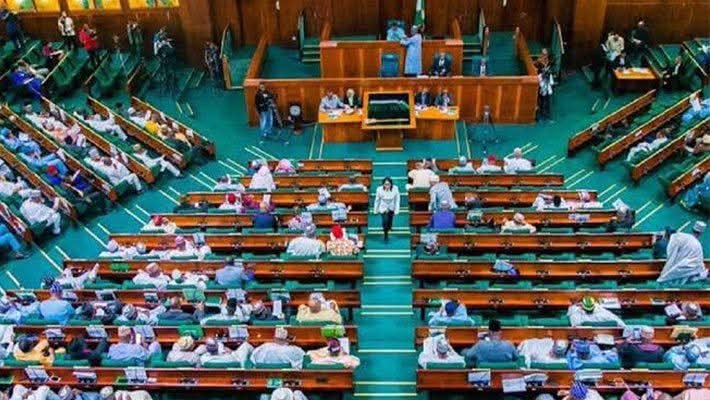
The bill, which passed first reading today on the floor of the National Assembly, seeks to mandate the exclusive use of public educational and medical institutions by all categories of government officials — from local government level to federal appointments — as a precondition for public service.
Objective of the Bill
The proposed legislation is premised on the argument that the chronic underdevelopment of Nigeria’s public schools and hospitals is largely due to the detachment of political elites from the public services they are charged with overseeing. By compelling public officials and their families to utilize these facilities, lawmakers say, there will be direct pressure and motivation to improve their quality and effectiveness.
“The motivation behind this bill is simple: those who make policies and approve budgets for education and healthcare must also feel the impact of those decisions,” said Hon. Musa Abdullahi, one of the bill’s co-sponsors. “When ministers and lawmakers send their children abroad or to elite private schools while public schools decay, there is a clear disconnect. This bill will change that.”
Scope and Provisions
The bill applies to all elected officials, political appointees, civil servants, and heads of ministries, departments, and agencies (MDAs). If passed into law, they and their immediate family members will be prohibited from:
- Enrolling their children in private primary or secondary schools
- Receiving medical treatment at private hospitals or facilities either locally or abroad
Violators would face sanctions ranging from suspension to outright dismissal, and possibly ineligibility for future public office.
Public Reaction
The proposal has sparked immediate national debate. Civil society organizations and public policy analysts have largely welcomed the initiative, calling it a long-overdue step toward systemic reform. However, some political figures have expressed concern over the feasibility and enforcement of such a law.
“This bill is revolutionary, but it will face stiff resistance from those who benefit from the current broken system,” said Prof. Chidi Mbah, a political economist at the University of Lagos. “Still, it sends a strong message — that public service should come with public responsibility.”
Next Steps
With the bill currently at its first reading, the legislative process will proceed to committee review and public hearing stages. Analysts predict intense scrutiny and lobbying as vested interests begin to react. The National Assembly leadership has yet to comment on the likelihood of the bill’s passage.
If passed into law, this legislation would mark a significant shift in governance ethics and could potentially trigger a wave of reforms in public service delivery.
Editor’s Note:
This proposal comes amid growing dissatisfaction with Nigeria’s public infrastructure, and increasing calls for equity in governance. With millions of Nigerians relying solely on overstretched public services, the legislation represents a pivotal moment in the debate over elite privilege versus public accountability.