
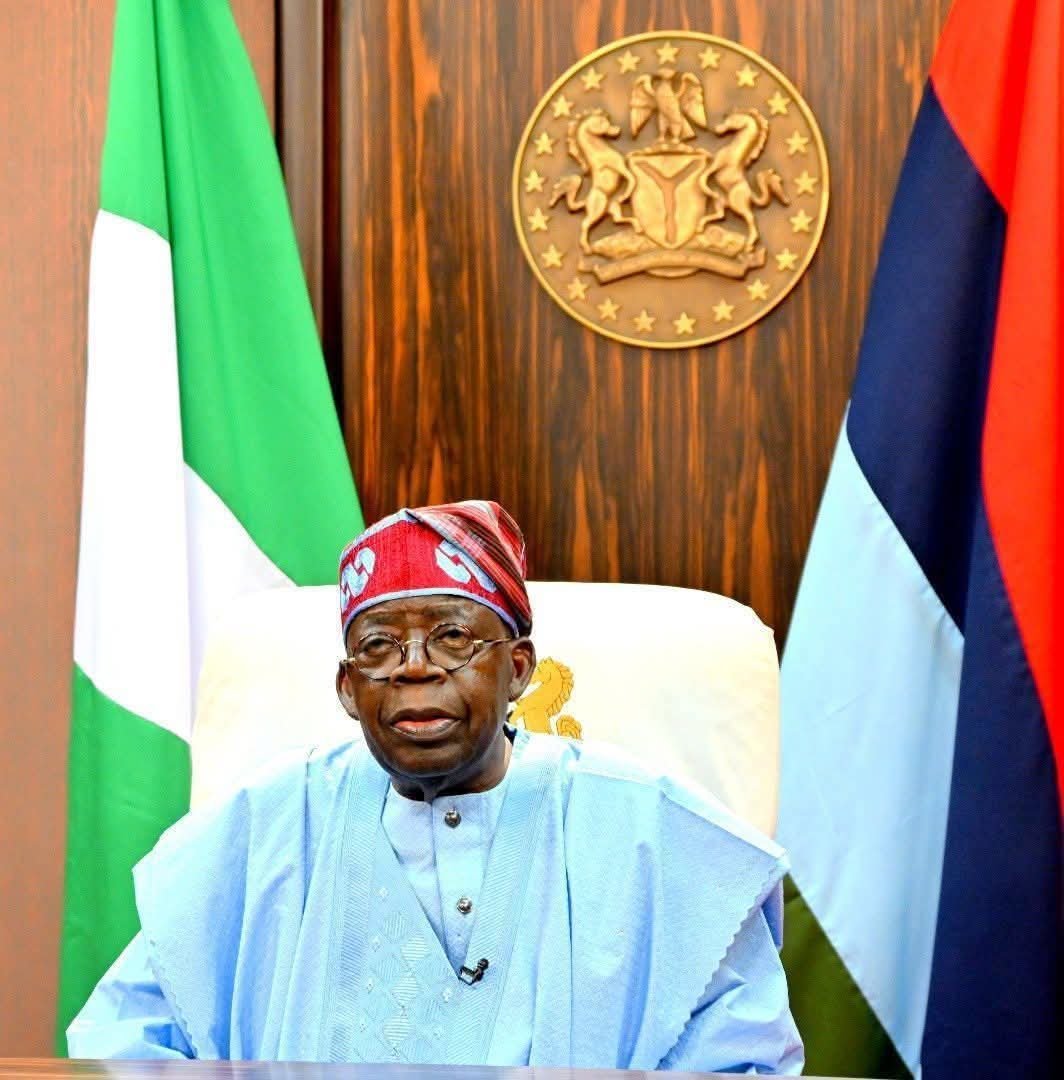
In a landmark fiscal policy shift, President Bola Ahmed Tinubu has ordered an end to the controversial practice by revenue-generating agencies withholding billions of Naira from the Federation Account as “cost of collection.”
Under the new directive, agencies such as the Federal Inland Revenue Service (FIRS), Nigeria Customs Service (NCS), and the Nigerian Upstream Petroleum Regulatory Commission (NUPRC) must now remit 100 percent of all revenues collected directly into the Federation Account, in line with constitutional provisions.
Announcing the reform at the launch of the latest World Bank Nigeria Development Update in Abuja, Minister of Finance and Coordinating Minister of the Economy, Mr. Wale Edun, described the policy as a major step toward fiscal transparency and fairness.
“This is about fairness, transparency, and accountability,” Edun said. “Every kobo collected must be accounted for and used to improve the lives of Nigerians.”
For years, major revenue-generating agencies retained a portion of their collections before remitting the rest to the national treasury, a practice critics say contributed to massive revenue leakages and underfunding of critical sectors.
Records show, in 2024 alone, FIRS retained over ₦250 billion as part of its “cost of collection”.
Combined, FIRS, Customs, and NUPRC withheld over ₦924 billion in 2024.
From January to June 2025, retained deductions totaled ₦575.14 billion a 32.8 percent increase from the same period in 2024.
This new policy effectively puts an end to these withholdings, signaling a decisive move by the Tinubu administration to enforce discipline in public finance.
The decision reflects President Tinubu’s Renewed Hope Agenda, aimed at restoring trust in government institutions and ensuring that national wealth serves the people.
The funds reclaimed through this reform are expected to significantly boost allocations to states and local governments through the Federation Account Allocation Committee (FAAC).
This, in turn, will fund roads, schools, hospitals, social programmes, and job creation amongst others across the country.