
By Godwin Jarkwa
November 2, 2025
#AriseRenewedHopeMedia
Democracy dies quietly, not always by coups, but by shortcuts. In Nigeria, the growing culture of “automatic tickets” is one such shortcut, eroding the very foundation of our republic. Social contract is a foundational concept in political philosophy and ethics that describes an implicit or explicit agreement among individuals to form a society and submit to a governing authority in exchange for protection of their right, security and the maintenance of social order. This posits that legitimate political authority arises from the consent of the governed, rather than divine right or force alone.
The idea of a social contract is simple: citizens surrender power to a government that, in turn, protects their rights, ensures security and upholds justice. Authority flows from the people, not from power brokers, not from incumbents, and certainly not from party godfathers.
Yet, political parties now routinely betray that contract. By gifting automatic nominations to incumbents and favorites, they choke competition, silence reform-minded members and mock the principle of consent. What’s sold as “continuity” is often just control. What’s defended as “stability” is, in truth, stagnation.Strip away the spin and automatic tickets are nothing but democratic fraud, leadership without legitimacy. Politicians imposed by decree owe allegiance not to voters but to the few who anointed them. Accountability collapses and, with it, public trust.
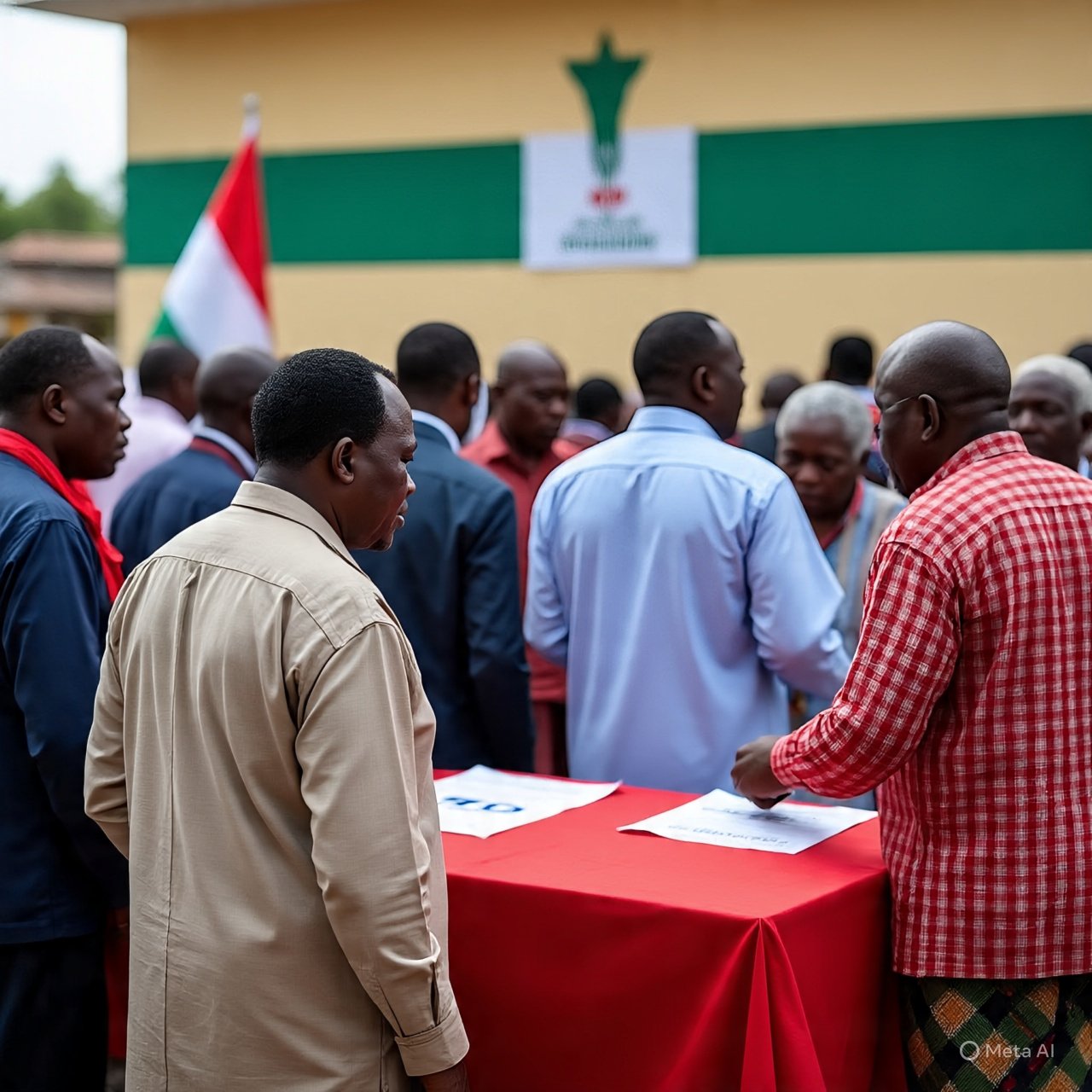
Since 1999, Nigeria’s democracy has limped under this weight. When citizens realize elections are decided in backrooms, their faith in the ballot shrinks. Voter apathy grows. Hope fades. What remains is a ritual, elections without choice.
Akwa Ibom’s 2023 primaries were a case study. Both the Peoples’ Democratic Party (PDP) and the All Progressives’ Congress (APC) leaders bypassed internal competition, silencing fresh voices with new ideas. The message was blunt: loyalty matters more than service. Similar manoeuvres in the APC, the push to impose candidates from Osinbajo to Lawan, nearly tore the party apart. Senator John Udoedehe’s defection and Senator Bassey Albert’s move to YPP were symptoms of a deeper sickness: exclusion breeds rebellion.
Even abroad, the pattern repeats. In the US, Democrats’ swift coronation of Kamala Harris after Biden’s withdrawal was criticised as an elite shortcut. The backlash was swift and costly.
Nigeria must learn, especially Akwa Ibom State. As 2027 looms, the APC and other parties face a test: will they choose open contests or quiet coronations? Will they trust the people, or fear them?
Governor Umo Eno, to his credit, has tried to renew Akwa Ibom’s social contract through unity and reconciliation. This time, not as a candidate in PDP but as captain of “Akwa Ibom United” having spent the first two years to reconcile Akwa Ibom people and running a unity government moving from PDP into APC. But renewal cannot thrive where participation is denied.
Primaries, when done right, are the lifeblood of democracy. They force candidates to connect, to convince, to compete. They build legitimacy. Look at Hon. Clement Jimbo in the House of Representatives, a first-timer who earned victory from the grassroots. Or Hon. Unyime Idem or Hon. Emmanuel Ukpong Udo, whose records, not titles, secured re-election.
Leaders who ascend not by public mandate but by internal party decree feel answerable not to the people but prioritise loyalty to power brokers over public service. If the Nigerian government were to fully adhere to the terms of this contract, treating it as a binding treatise with the people, the practice of governance would transform into a more accountable, equitable and functional system.
Democracy demands choice, not coronation. Automatic tickets breed entitlement, alienate voters and weaken institutions. Nigeria must reject them, not out of idealism, but survival.
In essence, governance would shift from elite capture to inclusive decision-making, where the government’s legitimacy derives from consent, not coercion, promoting nation-building in a multi-ethnic society. This ideal governance would mend the “frayed social contract” by prioritising human development, reducing inequalities and fostering a sense of shared citizenship, ultimately leading to stability and progress.
Because the moment citizens lose faith in their power to choose, democracy ceases to exist.