

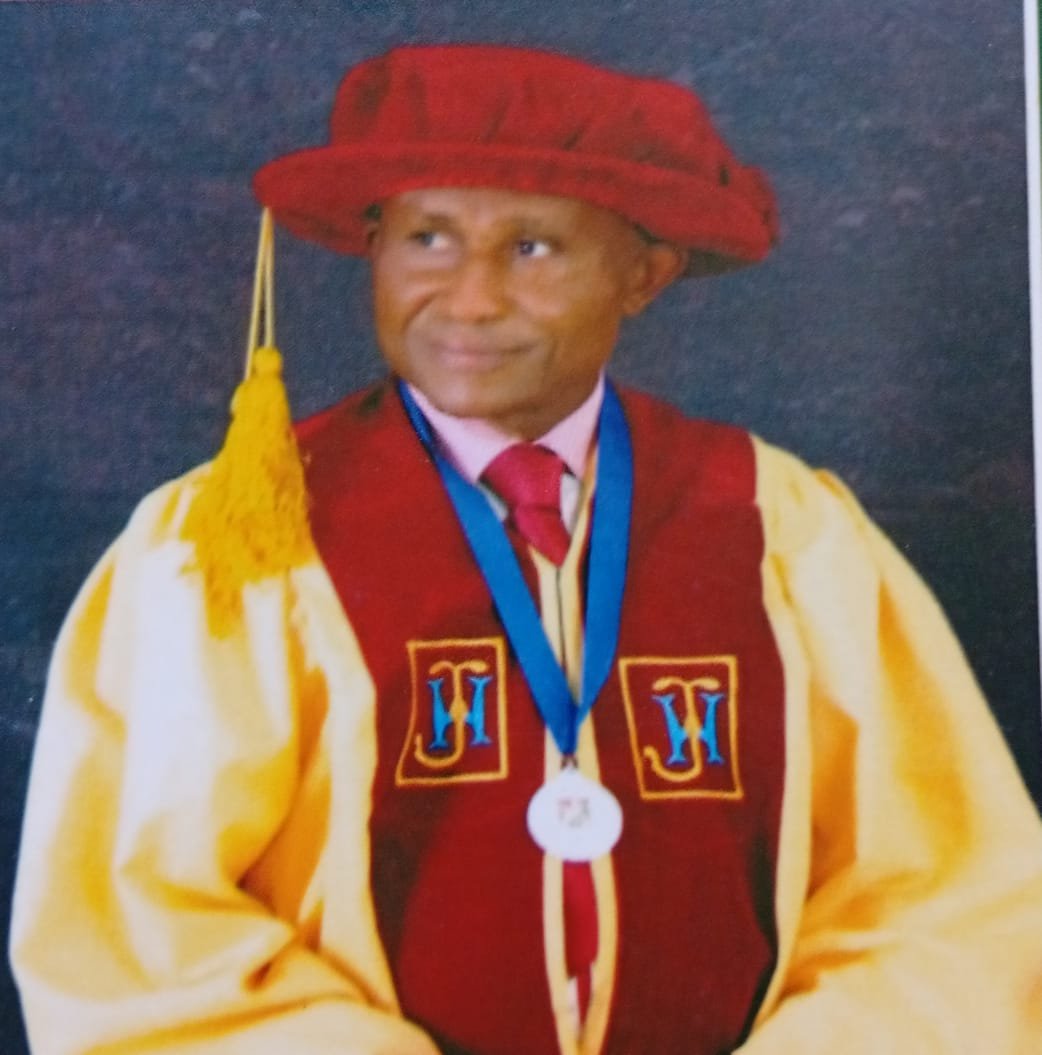

UYO – A Professor of Medical Parasitology and Public Health Epidemiology at the University of Uyo (UNIUYO), Inyang Asuquo Atting, has called on governments at all levels to intensify investment in disease surveillance, vector control, public health education and research to tackle the persistent threat of parasitic and vector-borne diseases in Nigeria.
Prof. Atting made the call while delivering the 134th Inaugural Lecture of the University of Uyo titled, “Combating Parasites and Vectors of Diseases: The Journey of a Medical Parasitologist and Public Health Epidemiologist.”
In the lecture, the renowned scholar traced decades of research, fieldwork and public health interventions that have contributed significantly to the control, elimination and eradication of several neglected tropical diseases across Nigeria and Africa.
Describing parasites and disease vectors as “nature’s hangmen,” Prof. Atting said billnesses such as malaria, onchocerciasis (river blindness), lymphatic filariasis, schistosomiasis, loiasis and dengue fever continue to pose serious threats to public health and socioeconomic development.
He noted that his career has been dedicated to combating these diseases through epidemiological investigations, disease surveillance, health education, operational research and participation in national and international disease-control programmes.
The professor highlighted Nigeria’s success in the Guinea Worm Eradication Programme, attributing the achievement largely to sustained health education campaigns and improved access to safe drinking water.
He also unveiled findings from extensive studies on malaria vectors, blackflies responsible for river blindness, dengue fever transmission and the growing challenge of insecticide resistance among mosquito populations in the Niger Delta region.
According to him, effective disease prevention and control require a comprehensive approach involving Integrated Vector Management (IVM), Mass Drug Administration (MDA), Water, Sanitation and Hygiene (WASH) interventions, as well as personal protective measures.
Prof. Atting expressed concern over the increasing resistance of malaria-carrying mosquitoes to widely used insecticides, warning that, the trend could weaken the effectiveness of insecticide-treated nets and indoor residual spraying programmes if urgent action is not taken.
He therefore urged governments, health agencies and development partners to strengthen disease monitoring systems, invest in innovative vector-control technologies and encourage greater community participation in disease-prevention initiatives.
The inaugural lecturer stressed that, the successful elimination and eradication of infectious and neglected tropical diseases would require sustained political commitment, adequate funding, global collaboration and widespread public acceptance of health interventions.
Reflecting on his academic and professional journey, Prof. Atting credited mentors, colleagues and public health institutions for shaping his career, while reaffirming his commitment to advancing research aimed at reducing the burden of infectious diseases.
The lecture attracted a large gathering of academics, health professionals, students and dignitaries, who applauded his outstanding contributions to medical parasitology, epidemiology and public health in Nigeria and beyond.