
Nigeria is seeking stronger international partnerships to tackle its security challenges and growing threats across the Sahel region, with the Federal Government stressing that no nation can confront today’s complex security threats in isolation.
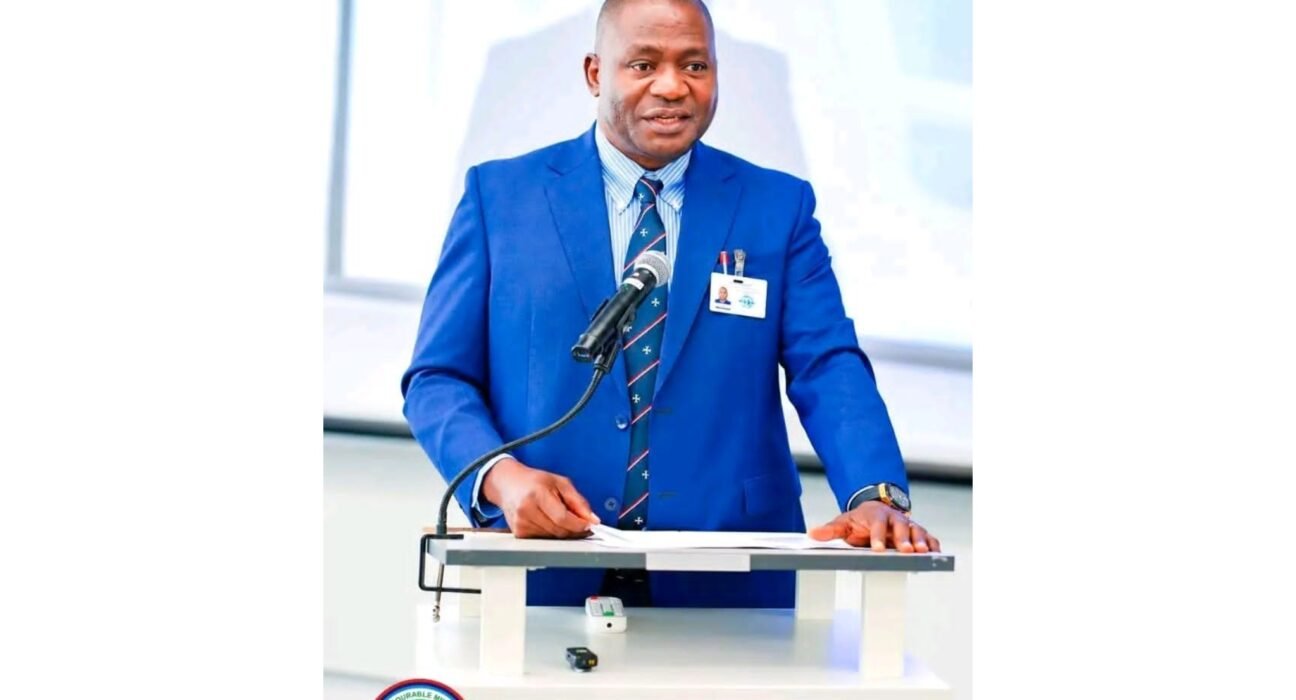
The call was made by the Minister of Defence, General Christopher Musa (rtd), while speaking in New York during a high-level side event organised on the margins of the 81st United Nations General Assembly.
General Musa said modern security threats have assumed national, regional and global dimensions, with terrorism, banditry, transnational crimes and violent extremism spreading across borders and destabilising entire sub-regions.
He noted that the Sahel has become one of the most fragile regions in the world, where insecurity in one country quickly spills over to neighbours, making collective action and sustained international cooperation essential for lasting peace.
According to him, Nigeria recognises that effective security response must go beyond military action to include collaboration in intelligence sharing, capacity building, technology transfer and socio-economic interventions that address the root causes of insecurity.
The Defence Minister explained that the Federal Government under President Bola Tinubu is implementing comprehensive reforms aimed at strengthening the nation’s security architecture and making it more responsive to emerging threats.
He highlighted the recruitment of 22,000 additional personnel into the Armed Forces of Nigeria as part of efforts to boost manpower and improve the military’s operational reach across ungoverned spaces.
Musa also disclosed that the Nigerian Army’s divisional structure has been expanded to enhance deployment, improve response time and ensure more effective coverage of troubled areas, particularly in the North-East, North-West and North-Central regions.
He said government is also advancing plans for the establishment of state police and forest guards, which he described as critical to complementing the efforts of federal security agencies in securing local communities and forested areas that have become hideouts for criminals.
The minister further revealed that a unified intelligence programme has been introduced to improve coordination, harmonise operations and eliminate rivalry among security agencies.
He explained that the initiative will ensure seamless intelligence sharing and joint planning among the military, police, Department of State Services and other relevant agencies, thereby enhancing efficiency in counter-terrorism and anti-banditry operations.
Musa noted that beyond personnel and structural reforms, the Federal Government is strengthening domestic defence production capacity through the Defence Industries Corporation of Nigeria, DICON.
He said revitalising DICON will enable Nigeria to produce more of its military hardware locally, reduce dependence on foreign suppliers, conserve foreign exchange and create jobs for the nation’s teeming youths.
The Defence Minister also said Nigeria is increasingly deploying drones and other advanced technologies for surveillance, reconnaissance and bomb detection, especially in difficult terrains.
He said the use of technology has become indispensable in modern warfare and is helping the Armed Forces to gain tactical advantage, protect troops and minimise civilian casualties during operations.
General Musa stressed that military operations alone cannot guarantee lasting security, adding that sustainable peace requires strong institutions, resilient communities and accountable governance.
He said government is therefore adopting a whole-of-society and whole-of-government approach that combines kinetic and non-kinetic measures, including dialogue, de-radicalisation, rehabilitation and community engagement.
He emphasised that good governance, justice, inclusive development and provision of basic social amenities are fundamental to winning the hearts and minds of citizens and preventing radicalisation.
The minister assured the international community of Nigeria’s unwavering commitment to regional and global peace, noting that the country has continued to play a leading role in ECOWAS, African Union and United Nations peace support operations.
He said Nigeria remains a major troop-contributing country and will continue to support efforts aimed at stabilising the Sahel, Lake Chad Basin and other conflict-affected areas in West Africa.
Musa called on international partners to increase support for counter-terrorism efforts in the Sahel, particularly in the areas of logistics, training, intelligence sharing and funding for regional security mechanisms.
He said enhanced partnership is also needed in border security management to curb the proliferation of small arms and light weapons, drug trafficking and movement of terrorist fighters across porous borders.
According to him, the Federal Government is open to partnerships that will support defence industrialisation, joint research and technology transfer that will build local capacity and make Nigeria’s defence sector more self-reliant.
He noted that Nigeria’s large population and strategic position in Africa make its stability critical to the peace and security of the entire continent, hence the need for sustained international solidarity.
The Defence Minister said government is also investing in the welfare of security personnel and their families, recognising that motivation and morale are essential to operational effectiveness.
He added that efforts are ongoing to strengthen civil-military relations and ensure that military operations are conducted in line with human rights standards and international humanitarian law.
He urged development partners to support programmes that promote youth employment, education and community resilience, as these are vital to preventing violent extremism and building lasting peace.
Musa reaffirmed that Nigeria will continue to uphold democratic values and work with the United Nations and other multilateral institutions to promote collective security and global stability.
He expressed optimism that with stronger international partnerships and sustained domestic reforms, Nigeria and the Sahel region will overcome current security challenges and achieve enduring peace.
Participants at the high-level side event commended Nigeria’s efforts and pledged to deepen cooperation with the country in addressing security challenges in the Sahel and beyond.