
The Federal Government has activated emergency response measures following the confirmation of an imported case of Ebola Virus Disease in the Federal Capital Territory, Abuja.
The activation of the emergency response became necessary after health authorities confirmed that a woman who recently returned from Uganda tested positive for the virus.
The development has led to heightened surveillance and coordination among relevant health agencies to prevent any possible spread of the disease to other parts of the country.
The assurance for a swift and coordinated response was given by the Chief of Staff to the President, Rt. Hon. Femi Gbajabiamila, after an emergency meeting at the Presidential Villa.
Gbajabiamila spoke after presiding over an emergency meeting of the Presidential Task Force on Ebola Preparedness held at the State House in Abuja.
According to him, the meeting was convened to review the current situation and to assess the level of preparedness of the country in handling any potential outbreak.
He disclosed that the task force deliberated extensively on containment strategies and reaffirmed government’s commitment to protecting the health and safety of all Nigerians.
The Chief of Staff noted that the Federal Government had already put in place robust mechanisms to detect and respond to public health emergencies of this nature.
He said the existing surveillance protocols across the country’s points of entry and health facilities had helped authorities to promptly identify the patient.
Gbajabiamila revealed that the infected patient reportedly developed symptoms four days after arriving in Nigeria, which triggered immediate medical evaluation and laboratory testing.
He explained that the quick identification of the case was a testament to the effectiveness of the surveillance system that was strengthened after previous disease outbreaks.
The Chief of Staff assured Nigerians that there was no cause for panic, as all necessary steps are being taken to ensure that the situation is contained.
He stated that President Bola Ahmed Tinubu has been fully briefed on the development and has directed all relevant agencies to work together to prevent further transmission.
Also speaking after the emergency meeting, the Coordinating Minister of Health and Social Welfare, Professor Muhammad Ali Pate, provided updates on containment efforts.
Professor Pate said that contact tracing has already commenced in earnest as part of measures to break the chain of transmission.
He disclosed that health officials have identified several contacts who had direct or indirect interaction with the confirmed case and are currently being closely monitored.
According to the minister, the contacts are being followed up daily for symptoms, in line with established public health guidelines for Ebola management.
He explained that those under monitoring have been advised to limit their movements and report any signs of illness immediately to health authorities.
Professor Pate emphasized that early detection, isolation and treatment remain critical to preventing the spread of the virus and reducing fatalities.
He noted that the Federal Ministry of Health, in collaboration with the Nigeria Centre for Disease Control and Prevention, has activated isolation and treatment facilities in the FCT.
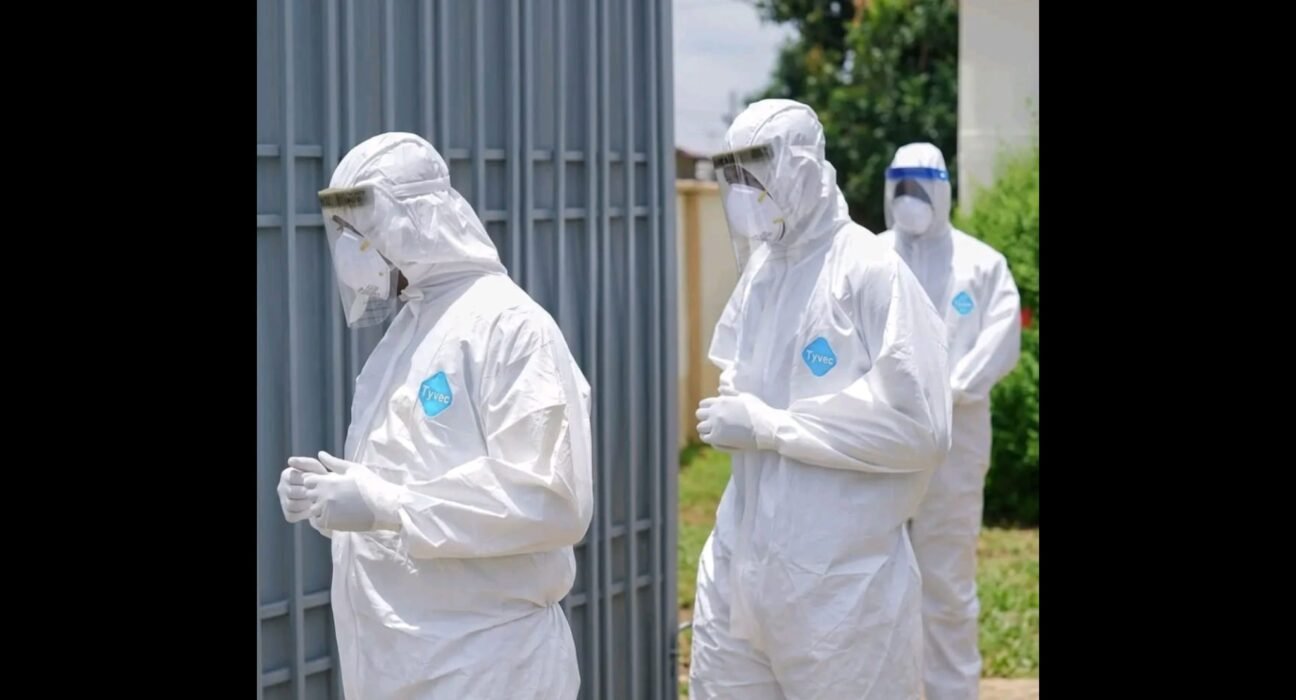
The minister added that health workers have been placed on high alert and have been provided with necessary personal protective equipment to handle any suspected cases safely.
He further revealed that public health advisories have been issued to sensitize Nigerians on preventive measures and symptoms of Ebola virus disease.
Professor Pate urged Nigerians to strictly comply with all public health guidelines issued by the authorities, including regular hand washing, avoiding contact with symptomatic persons and maintaining good hygiene.
He also appealed to members of the public to refrain from circulating unverified information about the outbreak on social media and other platforms.
According to him, spreading false information and rumours can cause unnecessary panic and undermine the efforts of health officials working to contain the virus.
The minister reassured Nigerians that the Federal Government has the capacity and experience to manage the situation, drawing lessons from how the country successfully contained the Ebola outbreak in 2014.
He called for collective responsibility, urging citizens to cooperate with health officials, report suspected cases promptly and rely only on information from credible and official sources.