
The Federal Road Safety Corps, FRSC, has called on its Special Marshals across the country to enhance their capacity for data collection and analysis as a strategic measure to identify accident-prone corridors and prevent road traffic crashes on Nigerian highways.
The call was made by the Corps Marshal of the FRSC, Shehu Mohammed, at the 2026 Special Marshals Zonal Conference held in Abeokuta, the Ogun State capital, with participants drawn from Ogun and Lagos states, as well as leaders of transport unions and other critical road safety stakeholders.
The conference, which brought together serving and retired Special Marshals, officials of road transport unions, members of security agencies and other partners in the road transport sector, was convened to review the activities of the Special Marshals and chart new strategies for improved road safety management in the South-West zone.
Speaking at the event, Corps Marshal Mohammed underscored the importance of credible and accurate data in the Corps’ efforts to reduce road crashes, fatalities and injuries, noting that effective road safety management is impossible without reliable information.
He explained that improved data gathering and scientific analysis of road crashes and traffic trends would enable the FRSC to pinpoint black spots, understand the causes and patterns of accidents and take proactive measures to prevent future occurrences.
According to him, when crash data is properly collected, collated and analysed, it provides valuable insights into where, when and why accidents happen, the categories of road users most at risk and the type of interventions required.
Mohammed stressed that accurate information on road crashes, traffic volume, road conditions and human behaviour would help the Corps to identify emerging safety risks, evaluate the effectiveness of existing safety measures and determine whether there is a need for adjustment or introduction of new strategies.
He said data-driven decision making would also assist the Corps in prioritising the deployment of personnel, patrol vehicles and rescue equipment to areas where they are most needed, thereby ensuring optimal use of scarce resources.
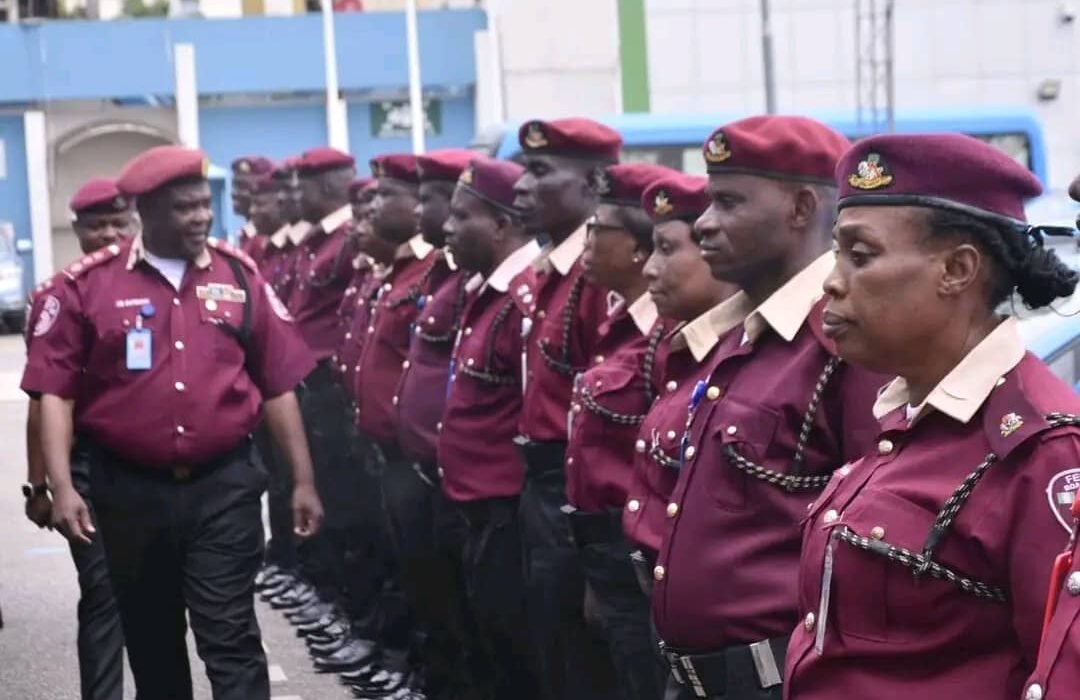
The FRSC boss noted that the Special Marshals, as volunteers who complement the efforts of regular marshals, are strategically positioned to support the Corps in gathering real-time information from the grassroots, given their presence in various communities and along major highways.
He urged them to take their role as data gatherers seriously by promptly reporting crashes, traffic obstructions, road defects and other safety hazards they observe in the course of their volunteer services.
Mohammed commended the Special Marshals in Ogun and Lagos states for their dedication, selfless service and commitment to the cause of road safety, describing them as critical partners in the quest to reduce road traffic crashes to the barest minimum.
He assured them that the FRSC management will continue to provide the necessary training, logistics and support to enable them discharge their duties effectively, including capacity building in modern data collection techniques and use of technology.
The Corps Marshal also used the occasion to call for stronger synergy and collaboration among relevant government agencies, transport organisations, road construction agencies and other stakeholders in the road transport sector to improve safety on Nigerian roads.
He explained that road safety is a collective responsibility that requires the involvement of all stakeholders, including federal and state ministries of works and transport, state traffic management agencies, the police, transport unions and the motoring public.
According to him, when government agencies, transport unions and other stakeholders work together, share information and coordinate their activities, it becomes easier to address the multifaceted challenges contributing to road crashes in the country.
Mohammed identified some of the major causes of road accidents in Nigeria to include speeding, dangerous overtaking, overloading, use of expired and substandard tyres, drunk driving, fatigue and poor vehicle maintenance.
He noted that poor road conditions, inadequate road signs and markings, as well as reckless behaviour by some road users, also contribute significantly to crashes on the nation’s highways.
The FRSC helmsman therefore called on drivers, particularly commercial drivers, to adhere strictly to traffic rules and regulations, maintain their vehicles properly and avoid acts capable of endangering their lives and those of other road users.
He also urged transport unions to intensify efforts in training and retraining their members on defensive driving techniques, traffic laws and the importance of patience and discipline while driving.
In his remarks, the Ogun State Sector Commander of the FRSC, who hosted the conference, appreciated the Corps Marshal for his leadership and for choosing Abeokuta as the venue for the zonal conference.
He said the conference was timely and would help reinvigorate the activities of Special Marshals in the zone and strengthen their partnership with regular marshals in the enforcement of traffic rules and public enlightenment campaigns.
Some of the Special Marshals who spoke at the event pledged to intensify their voluntary services and support the Corps in data collection, public education and rescue operations during road crashes.
Representatives of transport unions, including the National Union of Road Transport Workers, NURTW, and the Road Transport Employers Association of Nigeria, RTEAN, commended the FRSC for its sustained efforts in ensuring safety on the roads.
They assured the Corps of their continued cooperation and support, promising to sensitise their members on the need to comply with traffic regulations and to embrace the culture of safety at all times.
At the end of the conference, participants resolved to improve on data collection and sharing, strengthen collaboration among stakeholders, intensify public enlightenment campaigns and ensure strict enforcement of traffic laws to reduce road crashes and fatalities in Ogun, Lagos and other parts of the country.