
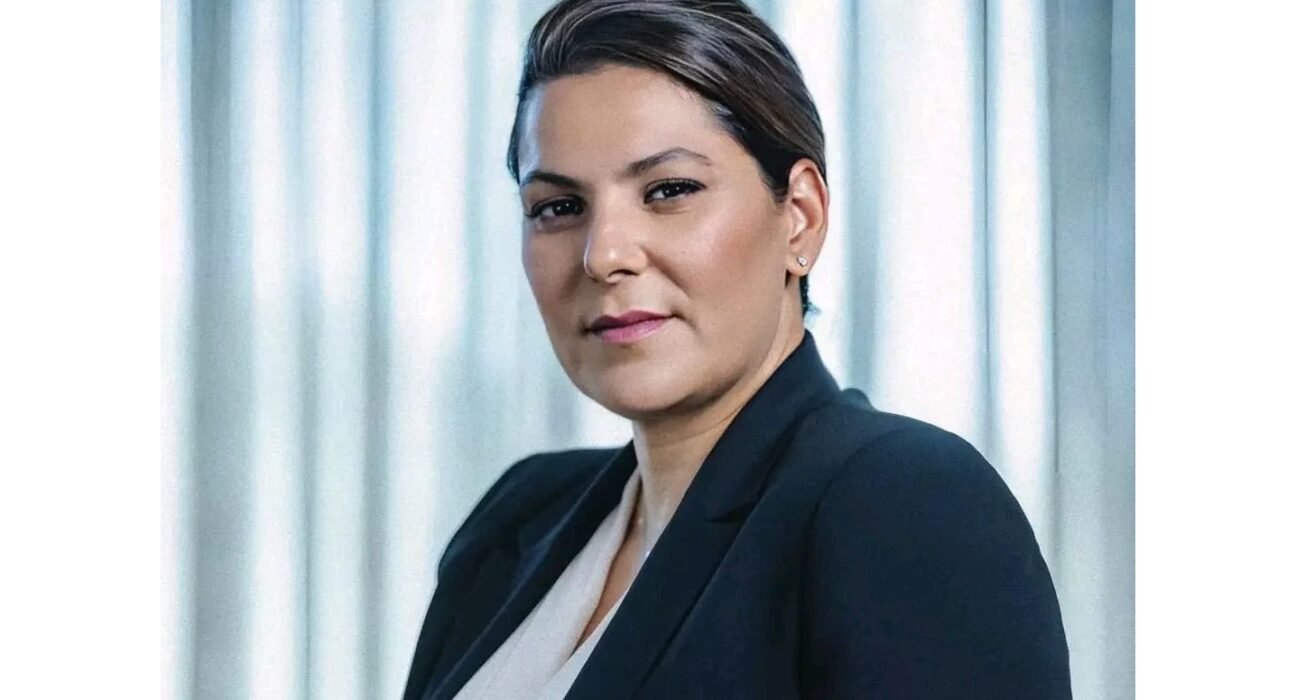
Morocco has recorded a historic milestone in its political history following the appointment of Fatima Ezzahra El Mansouri as the country’s first female Prime Minister by King Mohammed VI. The appointment, which has attracted widespread attention within and outside the North African kingdom, comes barely a week after the country conducted its parliamentary elections that produced a new composition of the House of Representatives.
The royal cabinet announced the appointment in a statement on Monday, confirming that the King has entrusted El Mansouri, who is currently the Mayor of Marrakesh, with the responsibility of forming a new government that will steer the affairs of the country for the next term. The announcement has been described as a major step towards gender inclusion and women empowerment in Moroccan politics, which has for decades been dominated by men.
El Mansouri, a prominent lawyer and politician, previously served as Morocco’s Minister of Housing and Urban Planning, where she earned a reputation for her administrative competence and commitment to urban renewal. Her political profile rose significantly when she was elected as the first female Mayor of Marrakesh, one of Morocco’s most important cultural and economic cities, a position she has held with considerable public support.
She is a leading figure in the Authenticity and Modernity Party, known by its French acronym PAM, which emerged as one of the strongest parties in the parliamentary election held on September 23. According to official results released by the Moroccan authorities, PAM secured 97 out of the 395 seats in the House of Representatives, making it a major force in the new parliament and positioning it to lead the next government.
The September 23 election was keenly contested by several political parties across Morocco, with citizens turning out to elect representatives who will shape the legislative and executive direction of the kingdom. The poll was largely peaceful and was monitored by local and international observers who described it as credible and reflective of the will of the people, despite some complaints of vote-buying in certain constituencies.
Following the release of the election results, King Mohammed VI, who by virtue of the Moroccan constitution appoints the Prime Minister from the party with the largest number of seats or the party best placed to form a majority, held consultations with political leaders before settling for El Mansouri. The royal palace said the King is confident in her ability to unite various political interests and deliver on the expectations of Moroccans.
In her immediate reaction to the appointment, El Mansouri described her emergence as Prime Minister as historic and deeply symbolic, noting that it is the first time in the history of Morocco that a woman has been given the mandate to lead the government. She said the appointment goes beyond her personal achievement and represents a victory for Moroccan women who have for years struggled for greater representation in governance and decision-making.
The new Prime Minister expressed profound gratitude to King Mohammed VI for the trust reposed in her and promised to work tirelessly to justify the confidence of the monarch and the Moroccan people. She said her administration will focus on inclusive governance, economic recovery, youth empowerment and social justice, stressing that Morocco is at a critical stage where bold and innovative policies are needed to address pressing national challenges.
El Mansouri noted that her immediate task will be to engage with leaders of other political parties to build a strong and stable coalition government capable of pushing through the reforms needed to revive the economy and improve the living standards of ordinary Moroccans. She said consultations have already commenced and she is optimistic that a broad-based government will be formed in the shortest possible time.
The appointment of Morocco’s first female Prime Minister has been welcomed by various groups, including women’s rights organisations, youth movements and civil society groups, who see it as a significant breakthrough for gender equality in North Africa. Many have taken to social media to celebrate the historic development, describing El Mansouri as a role model for young girls and women across the continent who aspire to lead.
Political analysts in Rabat say the choice of El Mansouri is strategic and signals the King’s desire to present a modern and progressive image of Morocco to the world, while also addressing domestic demands for reforms and greater inclusion. They argue that her experience as a former minister and current mayor, coupled with her strong legal background, puts her in a good position to navigate the complex political terrain and deliver on key campaign promises.
The new government, when eventually formed, will be expected to address a number of critical economic issues that have been at the forefront of national discourse in recent months, including unemployment, inflation, rising cost of living and the need to attract foreign direct investment. The administration will also be tasked with implementing Morocco’s ambitious development projects in infrastructure, renewable energy and agriculture.
In addition to economic matters, the incoming Prime Minister will also be expected to prioritise social sectors such as education, health, housing and social protection, which were central themes during the election campaigns. Many Moroccans have expressed hope that her government will introduce policies that will reduce inequality and create more opportunities for women and young people who constitute a large portion of the population.
Observers note that Morocco has in recent years taken gradual steps towards empowering women in politics and public life, including increasing the number of reserved seats for women in parliament and appointing women to key ministerial positions. However, the appointment of a female head of government is seen as the most significant achievement yet in the country’s journey towards gender parity in leadership.
El Mansouri’s political journey has been marked by resilience and determination, having risen through the ranks of her party from a grassroots mobiliser to one of its most influential leaders. Her tenure as Housing Minister was noted for efforts to provide affordable housing for low and middle-income earners, while her leadership as Mayor of Marrakesh has been credited with improving urban planning and boosting tourism in the city.
The international community has also reacted positively to the development, with several foreign governments and diplomatic missions in Rabat congratulating Morocco on what they described as a bold and commendable decision. The United Nations and other global bodies promoting gender equality have equally hailed the appointment, saying it aligns with global efforts to ensure equal participation of women in governance.
Meanwhile, members of the Authenticity and Modernity Party have expressed confidence that El Mansouri will deliver a government that reflects the aspirations of all Moroccans, regardless of gender, region or social status. The party leadership said it will give her full support in the task of forming a competent and inclusive cabinet that will reflect the diversity of the kingdom and respond to the expectations of the electorate.
As Morocco awaits the unveiling of the new cabinet, expectations are high among citizens who are eager to see how the first female Prime Minister will translate her historic appointment into concrete actions that will improve their daily lives. Many believe that her success will not only shape the future of Morocco but will also inspire other African and Arab nations to entrust women with top leadership responsibilities.
For now, all eyes are on Marrakesh and Rabat as El Mansouri begins the delicate process of coalition building and government formation, a process that will determine the policy direction of Morocco for the next four years and test her ability to lead a diverse and demanding nation at a time of significant economic and social challenges.