
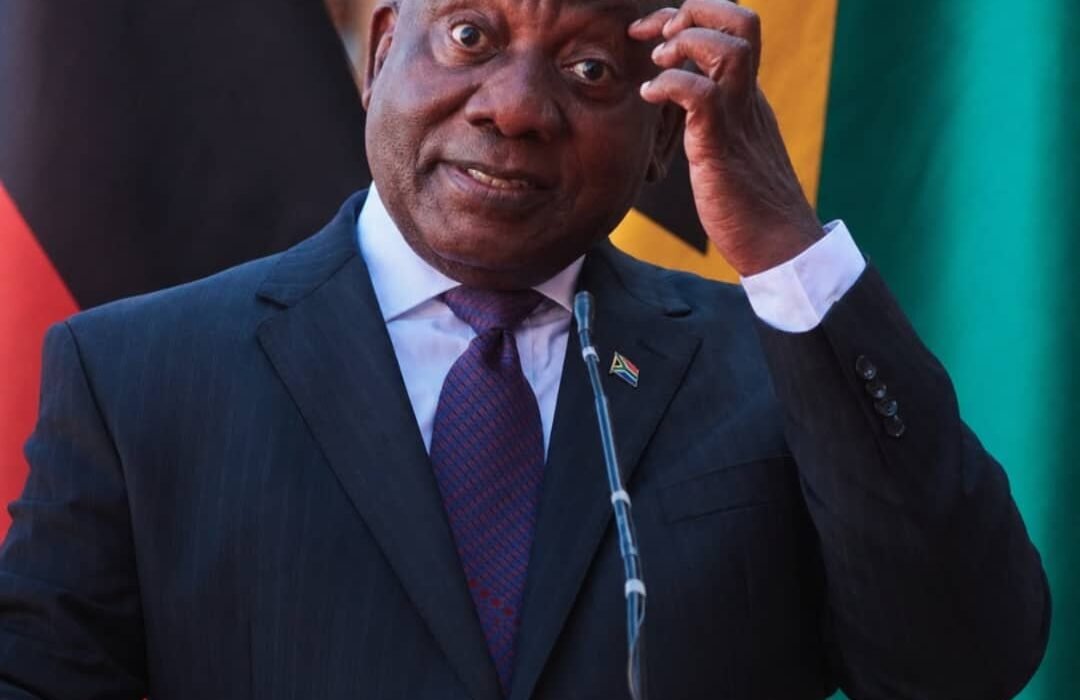
Johannesburg — South African President Cyril Ramaphosa has called on African leaders to adopt a united approach to tackling migration and the underlying factors driving population movements across the continent, amid mounting concerns over xenophobic violence in South Africa.
Addressing the Pan-African Parliament on Monday, Ramaphosa stressed that migration remains a continental challenge requiring collective action rather than isolated national responses.
He urged African governments to confront the root causes of migration, including conflict, political instability, poor governance, poverty and social unrest, warning that failure to do so could further strain security and social cohesion across the continent.
“As African countries, we have to acknowledge and address the conditions that drive migration in the first place,” Ramaphosa said, adding that stronger cooperation among nations was essential to creating sustainable solutions.
The South African leader’s remarks come against the backdrop of recent anti-migrant protests and attacks targeting foreign nationals in parts of the country.
Xenophobic groups have accused undocumented migrants of contributing to crime, unemployment and pressure on public services, fuelling tensions in several communities.
According to figures compiled by AFP from repatriating governments, more than 160,000 foreign nationals have departed South Africa in the last two months, marking one of the country’s largest migrant outflows in recent years.
The violence has reportedly claimed at least four lives, although some African governments have suggested the actual death toll may be higher.
Condemning the attacks, Ramaphosa described the incidents as “sad and abhorrent,” expressing regret over the loss of lives and reaffirming his government’s opposition to xenophobia and discrimination against fellow Africans.
“We in South Africa deeply regret and mourn the lives that have been lost,” he said, insisting that Pretoria remains committed to combating hatred, xenophobia and Afrophobia.
The crisis has sparked growing concern across the continent. Ghana has called for a debate within the African Union on the attacks, while two Ghanaian citizens have petitioned the International Criminal Court to investigate what they termed recurring xenophobic violence against foreign nationals in South Africa.
The South African government has rejected the move, describing it as opportunistic. South Africa has experienced periodic outbreaks of xenophobic violence over the past two decades.
However, analysts note that, the current situation is unprecedented, as several African countries have simultaneously organised voluntary repatriation programmes for thousands of their citizens amid growing safety concerns.