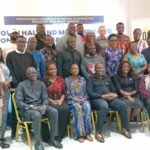


Lagos, – Civil Society Organisations (CSOs) and Community-Based Organisations (CBOs) from across Southern Nigeria have adopted a far-reaching 15-point resolution aimed at promoting national unity, strengthening governance, enhancing security, and accelerating sustainable development under the theme, “Nigeria First.”
The resolutions were adopted at the 2026 Southern Civil Society Organisations Summit held in Lagos on Wednesday July 8, 2026 under the umbrella of the Civil Society Coalition for Human Empowerment Initiative (CSCHEI), where stakeholders pledged to reposition civil society as a strategic partner in nation-building.
In a communiqué issued at the end of the summit, participants reaffirmed their commitment to fostering peace, tolerance, and national cohesion by rejecting hate speech, divisive narratives, and actions capable of undermining Nigeria’s unity.
The summit called for increased support and adequate funding for the judiciary, intelligence services, and security agencies to strengthen crime prevention, improve justice delivery, and safeguard lives and property across the country.
On food security, the organisations urged governments at all levels to prioritise agricultural transformation through sustained support for smallholder farmers and the implementation of policies that would guarantee food sufficiency and affordability for citizens.
The delegates also pledged to align their programmes with the United Nations Sustainable Development Goals (SDGs) 2030 Agenda and work closely with federal and state ministries, departments and agencies to track and accelerate grassroots implementation of all 17 SDGs.
Addressing environmental concerns, the summit advocated increased investment in climate adaptation programmes, renewable energy projects, and transparent access to global climate financing for local communities.
The civil society groups further demanded the institutionalisation of open and accountable budgeting systems that promote citizen participation, transparency in public spending, and value for money in project execution.
Reaffirming support for democratic governance, the summit stressed the importance of inclusive leadership, respect for the rule of law, and judicial independence as critical pillars for national stability and development.
Participants also called for a formal framework to strengthen collaboration between government institutions and civil society organisations, describing both as indispensable partners in ensuring effective service delivery to grassroots communities.
The summit resolved to intensify efforts against misinformation and fake news through civic education, voter enlightenment, and strategic information management aimed at strengthening democratic institutions.
Recognising the challenge of youth unemployment, the organisations urged government and development partners to increase investments in skills acquisition, entrepreneurship development, and vocational training programmes to empower young Nigerians.
They further advocated the expansion of social protection mechanisms to cushion the effects of economic hardship and rebuild public trust in government institutions.
The communiqué also highlighted the need to support Micro, Small and Medium Enterprises (MSMEs) through improved access to grants, credit facilities, and technical assistance in partnership with agencies such as SMEDAN and the Bank of Industry.
In the areas of health and education, the organisations pledged to collaborate with relevant agencies, including the National Primary Health Care Development Agency (NPHCDA) and the Universal Basic Education Commission (UBEC), to improve service delivery in underserved communities across the country.
The summit equally endorsed a data-driven approach to advocacy and development interventions, announcing plans to establish a unified system for tracking development impact and enhancing accountability.
Adopting “Nigeria First” as its guiding ideology, the summit pledged to prioritise national interest above sectional considerations and reposition civil society organisations from confrontation to constructive collaboration with government in pursuit of sustainable national development.