

By Destiny Young
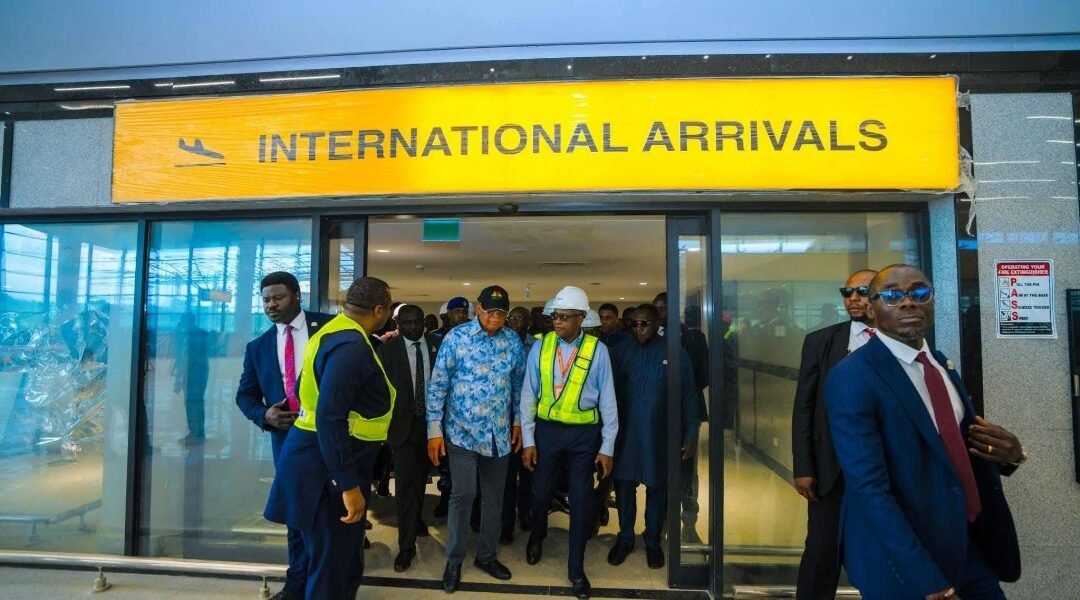
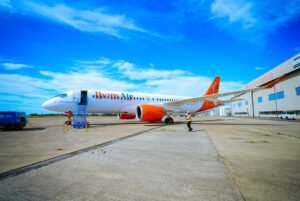
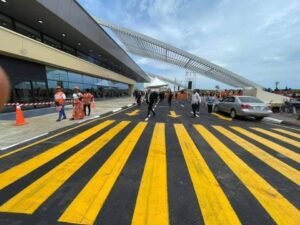
On a bright Friday morning, a chartered plane descends smoothly onto the runway of Victor Attah International Airport in Uyo. For the first time in years, the airport, upgraded to international standards, welcomes travellers from abroad directly, without the need for cumbersome stop overs. As the passengers step out, they are greeted by warm sunshine, gentle coastal breezes and the promise of adventure in a land long admired but rarely visited.
Among them is Anna, a tourist from Europe curious about Nigeria’s lesser known treasures. She has booked a flight because she read about Akwa Ibom’s serene beaches, rich culture, and vibrant hospitality scene. With her suitcase in hand and camera ready, she hails a cab to the coast, to a place called Ibeno Beach, reputed to be the longest stretch of natural sandy beach in the country.
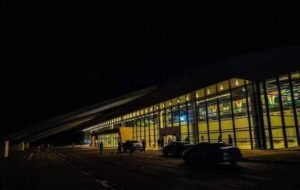
Elsewhere, a business traveller couple from Asia arrives at night, thanks to the recently restored night flight capability of the airport. The lights of Uyo’s cityscape welcome them. Their plan is not merely tourism. They come to explore opportunities in real estate, hospitality investments and marine port projects, drawn by Akwa Ibom’s emerging infrastructure and connectivity.
Discovering Hidden Treasures, Tourism Blossoms
With the ease of direct access, people like Anna are no longer daunted by complicated travel itineraries. They can touch down in Uyo and in a few hours find themselves sunbathing on Ibeno Beach, exploring mangrove lined creeks, savouring local cuisine, and attending cultural events.
Local hotels and resorts, some recently built, others simply refurbished, begin to fill up. Tour operators, boat ride operators, souvenir craftsmen, local guides and transport drivers see a sudden surge in demand. Families book weekend getaways. Young couples go for romantic beach walks. International guests craving unique tropical culture find themselves drawn to the forested hills, water side villages, and warm hospitality of the people.
Small businesses flourish. The souvenir making artisans produce hand woven crafts, traditional garments and artworks. Restaurants serve local dishes to foreigners curious about Nigerian coastal cuisine. Tour guides offer boat rides, ecotourism treks, historical site tours and even visits to old missionary sites and cultural villages.
From Tourism to Revenue, Jobs and Infrastructure
The inflow of travellers brings tangible income. Payment for airport services, landing fees, tourism taxes, hotel fees, tour operator commissions, local transport fares, dining and souvenirs. The government begins to record increased revenue from airport operations and tourism related levies.
At the same time, businesses spring up to meet the rising demand. New hotels, resorts, restaurants and tour agencies. This creates jobs for hotel staff, cooks, guides, drivers, artisans, maintenance staff, security personnel and many others. Local youth find employment in hospitality and related services.
Investors, seeing the rising interest and improved connectivity, start funding larger infrastructure projects. Roads to beach areas are improved. Leisure facilities, resorts, waterfront promenades and small marinas are built. With increased financial inflows, the state government reinvests into public infrastructure. Roads, electricity, waste management and beautification receive attention.
Having a modern internationally connected airport also strengthens Akwa Ibom’s appeal for trade and logistics. With proposed harbour or deep sea port developments on the horizon, the state is gradually transforming into an integrated logistics and tourism hub.
 A Story of Renewal and Possibility
By opening its skies, Akwa Ibom changes from a hard to reach but beautiful coast to a must visit destination with easy access. People like Anna now tell their friends about their unforgettable beach holiday. Business minded visitors arrive to explore investment opportunities. Local entrepreneurs seize new markets.
The result is more jobs, improved livelihoods, rising incomes and increasing state revenue. The revenue helps fund roads, public utilities, coastal development and improvements to public facilities. Over time, the state becomes more prosperous and more vibrant, tourism and commerce leading to real, visible transformation.
Why This Matters. Beyond the Story
• Analysis shows that airport infrastructure, such as direct international flights, is strongly correlated with socio economic growth, increased tourism, employment and income generation.
• With the recent approval for international operations at Victor Attah International Airport, the capacity to bring in foreign visitors without major transit delays is now achievable.
• The resetting of night flight operations adds flexibility to travel schedules, boosting the attractiveness for both leisure and business travellers.
• The state’s broader plan under the ARISE Agenda envisions tourism and hospitality as major pillars for economic diversification, lessening reliance on oil revenue.
Destiny Young is the Special Assistant on New Media and Digital Communication to the Governor of Akwa Ibom State, H.E.Pastor Umo Eno, Ph.D
#VictorAttahInternationalAirport
#IbomAir
#InternationalFlights
#Tourism
#DestinationAkwaIbom