
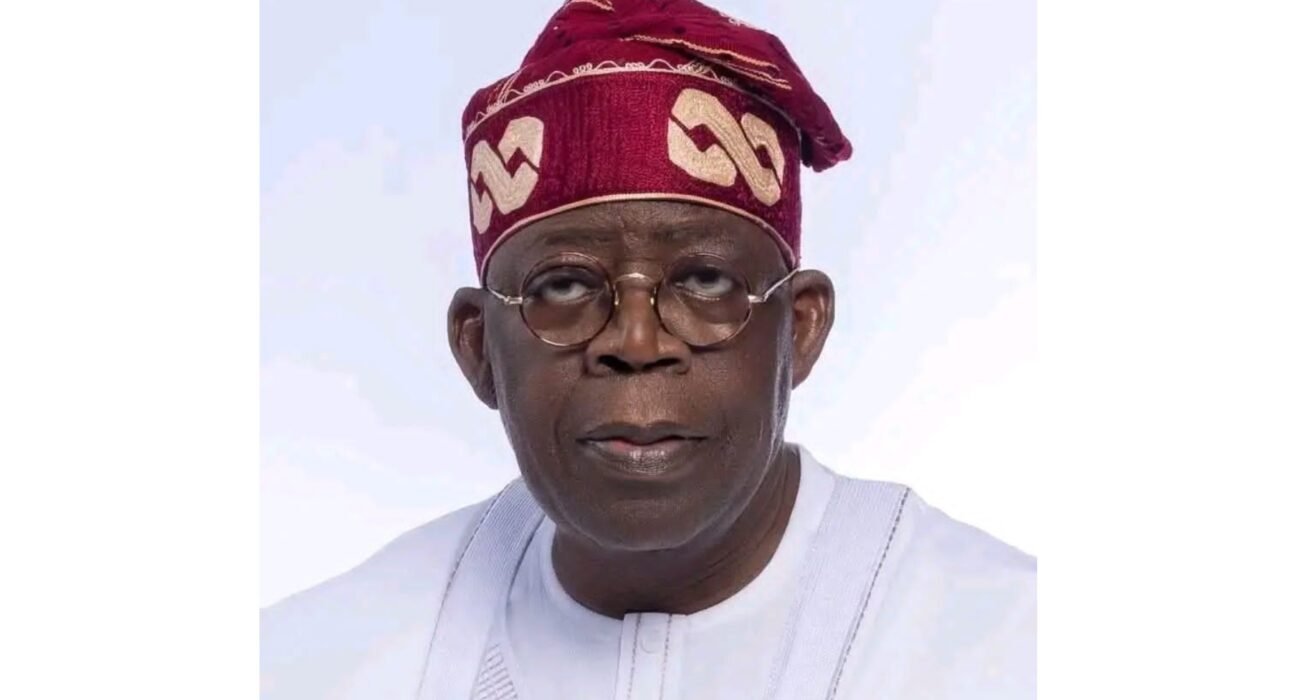
President Bola Ahmed Tinubu has transmitted three executive bills to the House of Representatives, seeking far-reaching reforms in drug law enforcement, transport safety investigation and public service training in the country.
The bills were conveyed in three separate letters addressed to the leadership of the House and read on the floor during plenary on Tuesday by the Speaker, Rt. Hon. Tajudeen Abbas.
The proposed legislations seek to reform the National Drug Law Enforcement Agency, NDLEA, expand the mandate of the Nigerian Safety Investigation Bureau, NSIB, and establish a new National School of Government to improve capacity in the public sector.
According to the letters read by Speaker Abbas, the President is seeking the cooperation and expeditious consideration of the House in passing the bills into law in the interest of national development and institutional efficiency.
The first bill seeks to repeal and re-enact the National Drug Law Enforcement Agency Act to consolidate all existing laws relating to drug enforcement, drug abuse control and related offences under a single comprehensive legal framework.
Presidency sources explained that the proposed NDLEA law is aimed at strengthening the operational capacity of the agency, updating its mandate to address current realities in the fight against drug trafficking and substance abuse.
The bill is also expected to address emerging trends in illicit drug production, trafficking and consumption, including the use of new psychoactive substances and sophisticated methods adopted by drug cartels.
If passed, the new law would provide clearer provisions on the powers, functions and responsibilities of the NDLEA, as well as stiffer penalties for drug-related offences and improved measures for rehabilitation of victims.
The second executive bill seeks to amend the Nigerian Safety Investigation Bureau Act to significantly expand the scope and responsibilities of the bureau beyond its current focus.
Presently, the NSIB is primarily known for investigating air accidents and serious incidents in the aviation sector, but the proposed amendment seeks to broaden its mandate to cover other modes of transportation.
Under the proposed amendment, the bureau would be empowered to investigate accidents and serious incidents occurring in the rail, maritime and other transport-related sectors, in line with international best practices.
The Presidency believes that expanding the mandate of the NSIB will help to improve safety across all transport modes, reduce accidents and ensure thorough, independent investigations into transport-related mishaps.
The bill is expected to provide for better coordination, enhanced technical capacity and a more robust framework for transport safety investigation and accident prevention in Nigeria.
The third bill transmitted by President Tinubu seeks to establish a National School of Government, a specialised institution that will be responsible for training, capacity building and professional development of public servants.
According to the executive proposal, the school will serve as a centre of excellence for leadership training, policy formulation, public administration and governance for civil servants and political office holders.
The proposed institution is intended to bridge existing gaps in public service delivery by equipping government officials with modern skills, knowledge and ethical orientation required for effective governance.
The Presidency noted that the establishment of the National School of Government is part of efforts to reform the public service and make it more efficient, responsive and result-oriented.
The bill, when passed, is expected to provide for the structure, functions, funding and administration of the school, as well as its relationship with existing public service training institutions.
Speaker Tajudeen Abbas, after reading the three letters from the President, announced that the bills have been duly received and will be subjected to the normal legislative process as prescribed by the Standing Orders of the House.
He explained that the bills will be listed for first reading and subsequently referred to the relevant standing committees for detailed scrutiny, public hearing and expert input.
The Speaker assured that the House will give the executive bills the necessary attention and ensure that they are thoroughly examined in the interest of Nigerians.
Members of the House are expected to debate the general principles of the bills during second reading, where they will highlight the merits, demerits and implications of the proposed legislations.
The relevant committees, including those on drugs and narcotics, aviation, maritime, land transport and public service matters, are expected to play key roles in scrutinising the bills and making recommendations.
Stakeholders in the drug enforcement, transport safety and public service sectors are also expected to be invited to make submissions during public hearings to be organised by the committees.
The transmission of the three executive bills is seen as part of President Tinubu’s broader agenda to strengthen institutions, enhance safety and improve governance across critical sectors of the economy.
Political observers note that the proposed reforms, if passed into law, could significantly transform drug law enforcement, reduce transport accidents and improve the quality of public service delivery in the country.
However, the final fate of the bills will now depend on the outcome of legislative consideration, including scrutiny by relevant committees, debates on the floor and concurrence by the Senate.
Meanwhile, the House has assured Nigerians that it will carry out its legislative duties diligently and ensure that the bills are processed in a transparent and inclusive manner.