

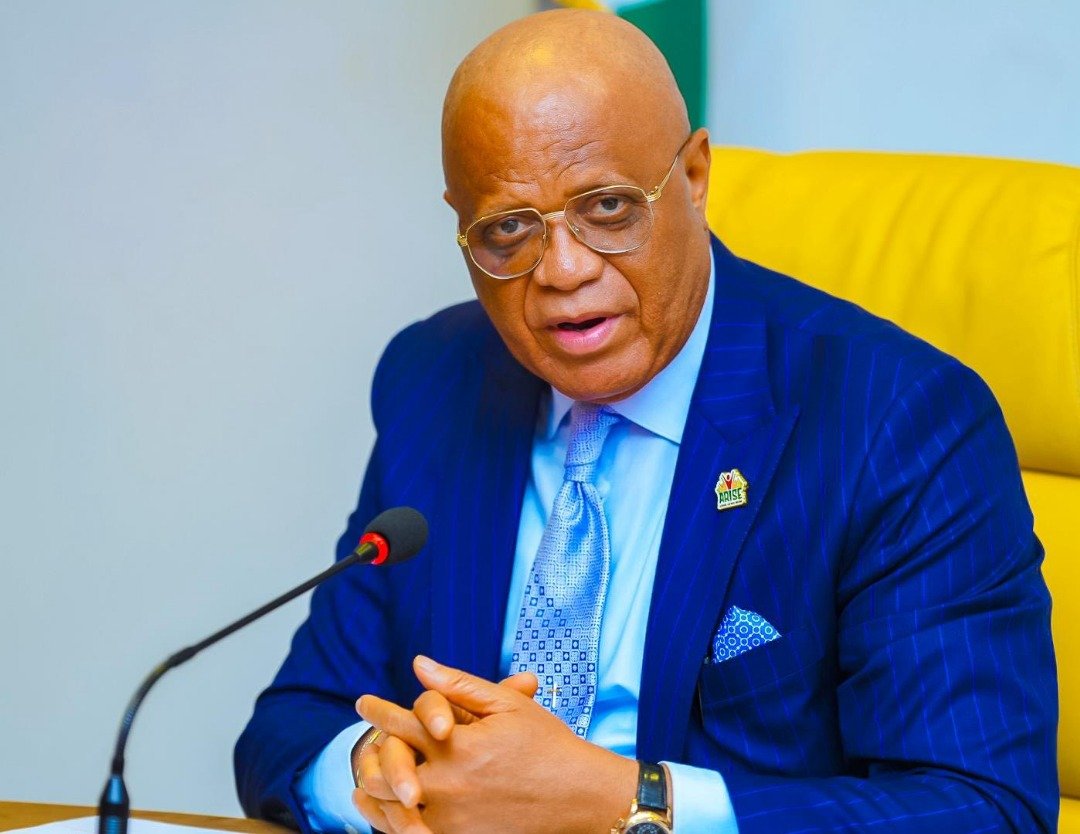
In the evolving landscape of global technology, regions that prioritise digital innovation and governance stand to reap enormous benefits in economic growth, social inclusion, and public service delivery. Akwa Ibom State, under the transformative leadership of Governor Umo Eno, is a notable example in Nigeria of how targeted ICT initiatives can catalyse regional development and position a state as a vibrant ICT hub.
The vision driving this transformation is clear: Akwa Ibom must move beyond its historical dependence on oil and embrace a future underpinned by digital technology, inclusive governance, and a knowledge-based economy. Since taking office, Governor Eno’s administration has launched a multipronged digital agenda aimed at reforming public services, empowering citizens, and stimulating economic diversification.
E-Governance as a Foundation for Modernisation
At the heart of Akwa Ibom’s digital revolution is the concerted adoption of e-governance—the use of technology to make government services accessible, efficient, transparent, and citizen-centric. By leveraging ICT infrastructure, processes that once involved tedious paperwork and bureaucratic delays have been reimagined into streamlined digital services.
A striking example is the Akwa Ibom State Geographic Information System (AkwaGIS), which digitises land title registration and fee payment. This has transformed the property market by reducing the time to secure land documentation from several months to weeks. Property developers and investors now operate in a more secure and transparent environment, fostering confidence and accelerating real estate development.
Similarly, the introduction of the Akwa Ibom Electronic ID (AKeID) system ensures residents have a secure, unique digital identity. Through AKeID, citizens can seamlessly access a spectrum of government services, from pension verification to business registration, without repetitive paperwork or physical visits to government offices. Consider the case of a retired teacher in a rural community who can now verify her pension entitlement online, saving time and travel costs while maintaining dignity and efficiency.
Empowering Citizens and Businesses Through Technology
The government’s digital thrust extends to welfare, education, youth empowerment, and enterprise development. The Bulk Purchase Agency’s digital food voucher system electronically verifies beneficiaries, eliminating corruption and ensuring prompt delivery of essentials. For instance, a widow in Ikot Ekpene now receives food support through a mobile voucher redeemable at certified vendors, restoring trust in social welfare programmes.
Educational support has been enhanced through the Student Bursary Payment Portal, which allows students in public tertiary institutions to apply and track bursary and disability grant approvals digitally. One physically challenged student at the University of Uyo can manage her bursary application from home via mobile phone, reducing financial and logistical burdens.
Addressing youth unemployment, the Arise Youth Employment Portal connects jobseekers with opportunities and provides start-up grants. More than 19,000 young people have benefited; for example, a graduate from Oron secured a digital marketing job while also obtaining funding to launch an e-commerce venture, illustrating how digital platforms nurture entrepreneurship and retain talent locally.
For small and medium enterprises (SMEs), the state’s dedicated MSMEs Grant Portal facilitates transparent grant applications and funding disbursal connected to a ₦5.1 billion support fund. An agro-processing entrepreneur in Uyo, leveraging this portal, scaled operations, created jobs, and expanded market reach – showcasing digital empowerment as a catalyst for grassroots economic growth.
Transparency, Accountability, and Efficiency in Governance
Digital systems also reinforce transparency and sound administration. The state’s Procurement and Public Servant Verification Portals digitise contracting and employment processes, significantly reducing fraud and ghost workers. More than 2,000 fictitious employees have been removed from state payrolls, freeing up resources for development projects.
Pensioners enjoy improved access to benefits via remote and local verification centres, ensuring timely payments and enhancing quality of life. One elderly ex-civil servant in Oruk Anam now completes pension verification at a local centre within minutes, illustrating the practical benefits of e-governance for vulnerable populations.
Infrastructure-wise, Akwa Ibom has prioritised the rollout of high-speed fibre broadband through the MainOne-Equinix undersea cable landing in Ibeno. This digital backbone supports telemedicine, e-learning, and cloud-based administration, broadening access to services even in remote areas. For example, a schoolteacher in Eket can stream educational content smoothly, bringing advanced learning resources to her students.
Building a Sustainable Digital Ecosystem
Governor Umo Eno’s digital vision also includes establishing a robust ecosystem that supports innovation, capacity building, and public-private cooperation. The state has created an ICT and Digital Services Directorate to coordinate technology initiatives and engage the private sector. Tech hubs such as Start Innovation Hub Uyo and FutureLabs Ikot Ekpene provide spaces for young entrepreneurs and developers to grow ideas that meet local and global needs.
Recognition of Akwa Ibom as one of Nigeria’s most digitally compliant states underscores the success of these efforts, reflecting both governmental commitment and active community participation. The continuous digitisation of judicial processes and civil service management further exemplifies the administration’s dedication to utilising technology for governance efficiency and societal benefit.
Recommendations for Future Growth
To sustain and deepen Akwa Ibom’s emergence as an ICT hub, the following recommendations are critical:
• Intensify investment in fibre-optic infrastructure and affordable internet access to widen digital inclusion across all communities.
• Expand digital literacy programmes targeting youth, women, and rural populations to build a strong, tech-skilled workforce.
• Strengthen partnerships between government, academia, and private sector to foster innovation ecosystems rendering local solutions for state and national challenges.
• Prioritise cybersecurity to safeguard digital platforms and build public trust in e-governance.
• Enhance data-driven decision-making by integrating analytics systems to monitor public service delivery and economic performance.
• Scale up e-governance platforms in sectors such as healthcare, agriculture, and education for comprehensive digital public service.
• Host regular ICT forums and expos to showcase local innovations and attract investment.
Conclusion
Under Governor Umo Eno’s leadership, Akwa Ibom has embarked on an ambitious and well-coordinated digital transformation journey. By embedding technology into governance, social welfare, business support, and infrastructure, the state is transforming itself into a dynamic ICT hub. This shift goes beyond mere adoption of technology; it represents a profound change in how government serves its people and how citizens engage with economic opportunities.
The practical outcomes witnessed; from faster land registration and transparent contracting to empowered youths and efficient social support, demonstrate technology’s power to improve lives and catalyse sustainable development. With sustained effort and strategic investment, Akwa Ibom is not only setting the standard for digital governance in Nigeria but also positioning itself as a competitive force in Africa’s digital economy.
This digital future promises a state where governance is service-driven, citizens are empowered, and the economy thrives on innovation rather than dependency. It is a compelling vision, realised through visionary leadership, collaborative innovation, and a commitment to inclusive progress.
Destiny Young, a technology adoption ambassador, digital transformation specialist, cybersecurity expert and contemporary development analyst, writes from Uyo, for
#AriseRenewedHopeMedia
Credit: Destiny young